Balancing Technology and Human Inspections: The Debate Over Railroad Track Inspections
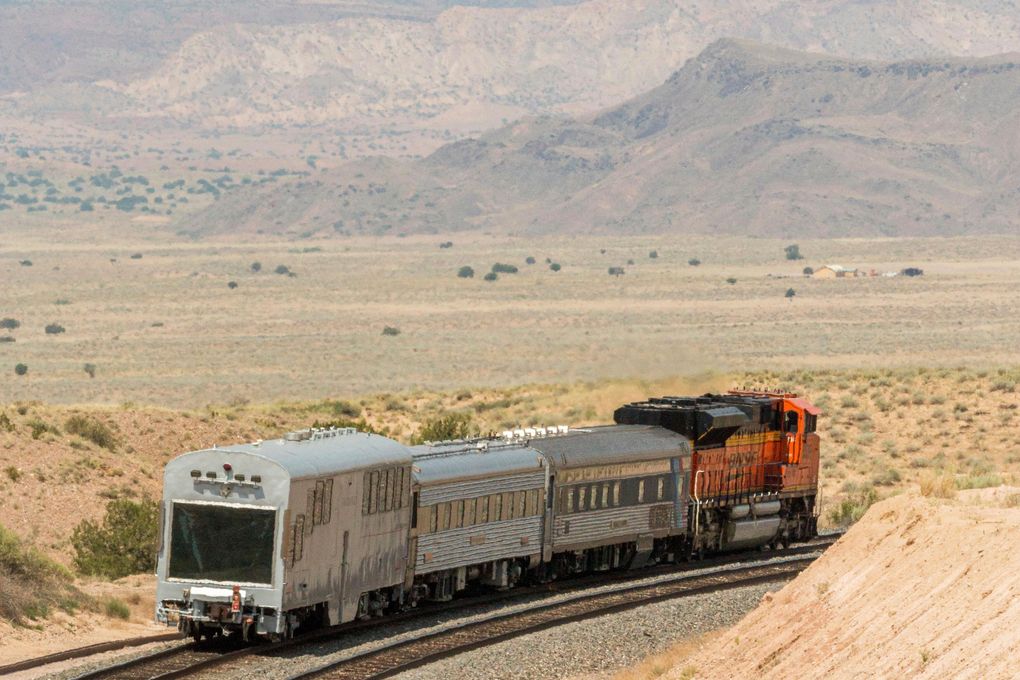
The federal government has approved a waiver request from the nation's freight railroads to rely more on technology for track inspections. The railroads believe that their automated track inspection technology is effective in detecting problems early, reducing the need for frequent human inspections. The approved waiver allows railroads to cut inspections down to once a week, instead of twice a week.
The automated inspection systems use cameras and lasers to assess track alignment and shifting. While the technology helps spot some issues, the union representing track inspectors argues that it cannot detect certain defects like shifting rock or rotting ties. The union believes that reducing track inspections could increase the risk of derailments and that technology should supplement, not replace, human inspections.
The railroads argue that the automated systems can detect symptoms of underlying problems, even if they can't see certain defects directly. They claim that the technology is more sensitive and effective at detecting geometry defects compared to manual visual inspections. Over two years of testing, the technology found significantly more defects per 100 miles than manual inspections.
The Federal Railroad Administration agrees that with regular use of automated track inspection systems, visual inspections may not be needed as frequently. However, the union representing track inspectors believes that frequent human inspections are crucial for spotting subtle changes and defects. They argue that inspectors who are familiar with their territories can identify issues that the technology might miss.
The railroads plan to focus inspectors on switches and other equipment that require manual inspections, freeing them up from mandated track inspections. Special inspections will still be conducted regularly, especially after major storms or flooding, to ensure track safety. Norfolk Southern reported improvements in areas not covered by the automated system during their test of reducing inspections while using the technology.
In conclusion, the approval of the waiver allowing railroads to rely more on technology for track inspections has sparked debate between the railroads and the union representing track inspectors. While the railroads believe that the technology is effective in detecting defects, the union argues that human inspections are essential for ensuring track safety and preventing derailments. The balance between technology and human inspections remains a key issue in maintaining railroad safety.