ACIP Vote on Hepatitis B Vaccine for Newborns: Impact on Childhood Infections and Vaccination Coverage
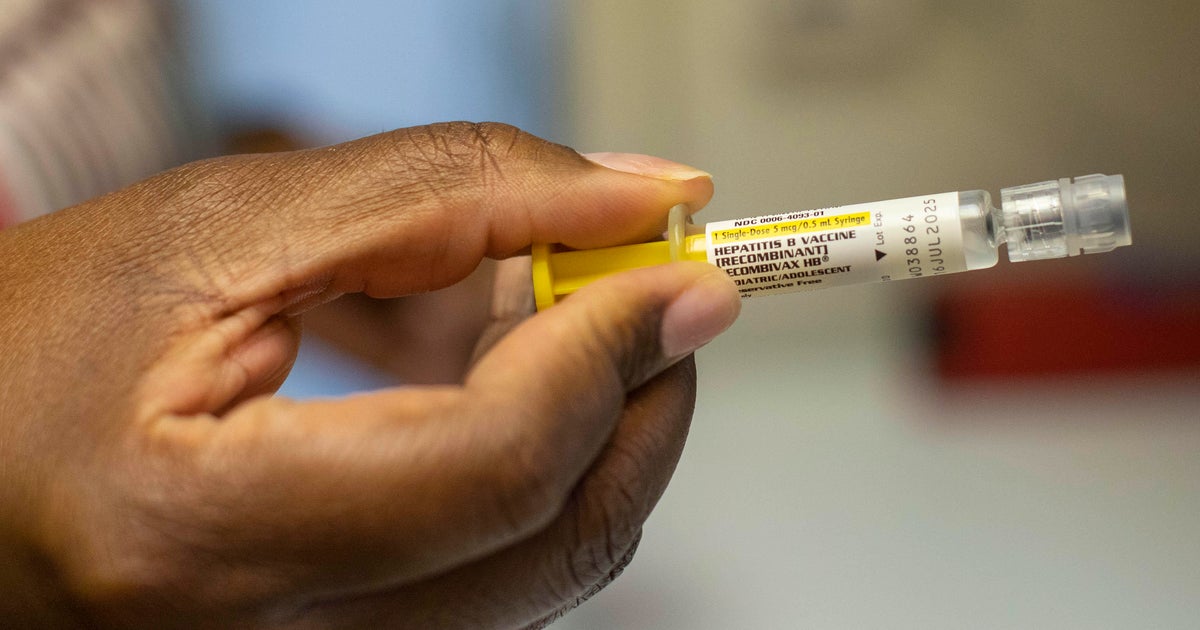
The Health and Human Services Secretary's vaccine committee is set to vote on changing the recommendation for newborns to receive the hepatitis B vaccine within 24 hours of birth. The Advisory Committee on Immunization Practices (ACIP) may delay or eliminate this birth dose, which could impact the spread of the virus among children. Hepatitis B can lead to liver disease and early death, and the vaccine has been effective in reducing infections in kids by 99% since its introduction in 1991.
The decisions made by the ACIP are influential in determining whether private insurance plans and government assistance programs cover vaccines for eligible children. The upcoming meeting follows the appointment of new committee members earlier this year, some of whom are vaccine critics. Despite concerns raised about the safety risks of the hepatitis B vaccine, experts emphasize its effectiveness and minimal risks.
The American Academy of Pediatrics continues to recommend the universal birth dose of the hepatitis B vaccine, citing its life-saving benefits. A recent review of over 400 studies found no evidence that delaying the birth dose improves safety or effectiveness. The current vaccination schedule has been successful in preventing millions of hepatitis B infections and related hospitalizations.
Manufactured by Merck and GSK, the hepatitis B vaccines are not major revenue drivers for the companies. The outcome of the ACIP vote could impact the vaccination recommendations for newborns and potentially affect the spread of hepatitis B among children.