Debating SNAP: Proposed Changes, Fraud Concerns, and Impact on Vulnerable Populations
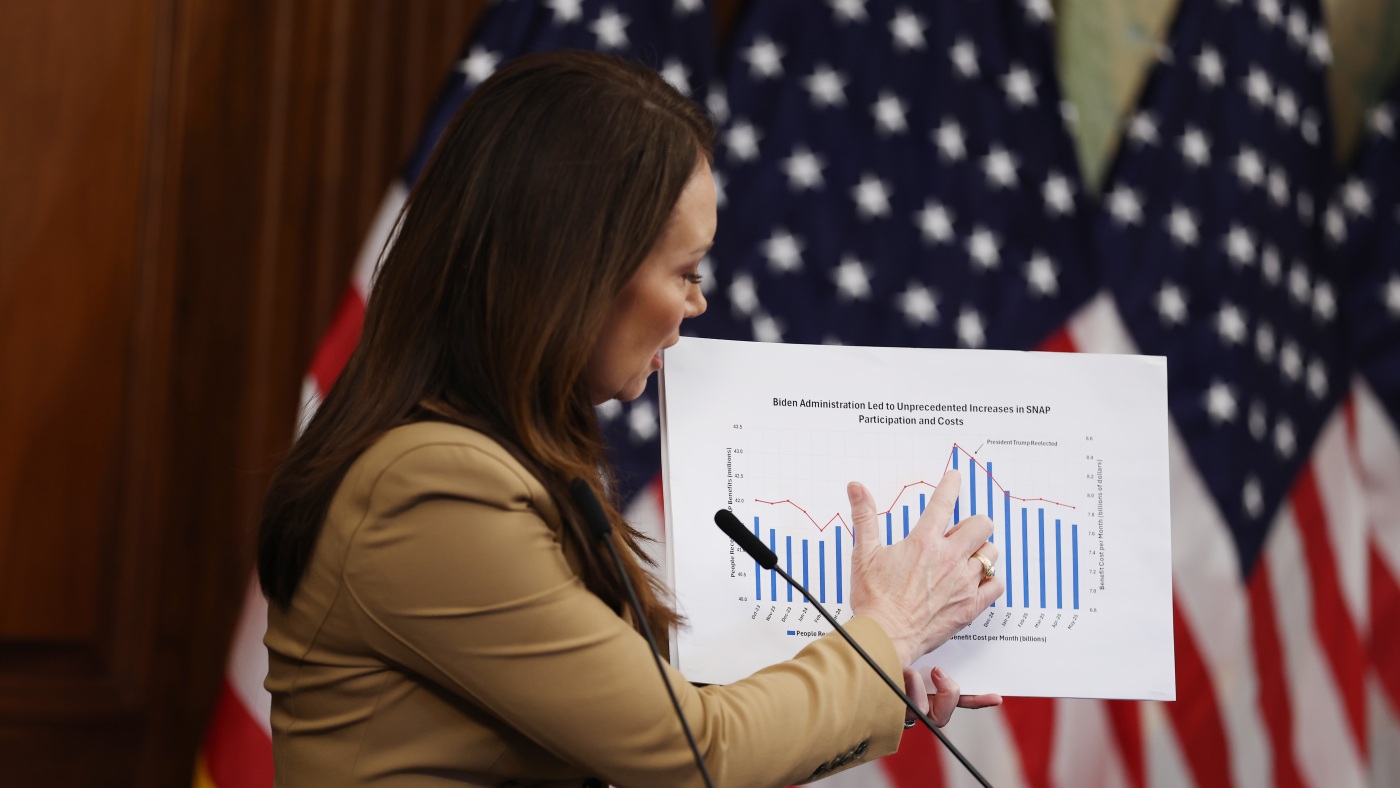
The Agriculture Secretary, Brooke Rollins, has announced significant changes to the Supplemental Nutrition Assistance Program (SNAP), which assists nearly 42 million Americans in purchasing groceries. Rollins has indicated that the recent focus on SNAP during the government shutdown has provided an opportunity to revamp the program. She has highlighted the need for structural changes and emphasized the detection of substantial fraud within state data, without providing specific details. The Trump administration's push for SNAP modifications coincides with impending benefit reductions due to new work requirements and eligibility rules passed by Congress.
Rollins has expressed the intention to ensure that vulnerable Americans who genuinely require SNAP benefits receive them, while cracking down on fraud and abuse. However, food policy experts are concerned that Rollins' statements may misrepresent the prevalence of fraud among SNAP recipients and stigmatize those in need of food assistance. The confusion arose when Rollins suggested that all SNAP recipients would need to reapply, prompting questions about the necessity and legality of such a process.
Despite initial concerns, USDA officials have clarified that existing recertification procedures will be utilized to address fraud and abuse within the SNAP program. Rollins has cited data from states that complied with USDA's data request, revealing instances of deceased individuals receiving benefits and potential cases of fraud. However, the lack of detailed data makes it challenging to assess the validity of these claims. Additionally, Rollins' assertion of a 40% increase in SNAP benefits under the Biden administration has raised questions, as data analysis does not support this claim.
A proposed regulation submitted by USDA hints at potential changes to SNAP, particularly regarding the narrowing of broad-based categorical eligibility used by many states. This move could impact millions of SNAP recipients, leading to concerns about increased food insecurity. Critics argue that the administration's efforts to alter anti-hunger programs could have detrimental effects on vulnerable populations. The ongoing debate surrounding SNAP highlights the need for balanced policy changes that prioritize both program integrity and the well-being of recipients.