Analysis of Assault Charges Against Federal Officers During Protests: A Closer Look at the Data and Controversies
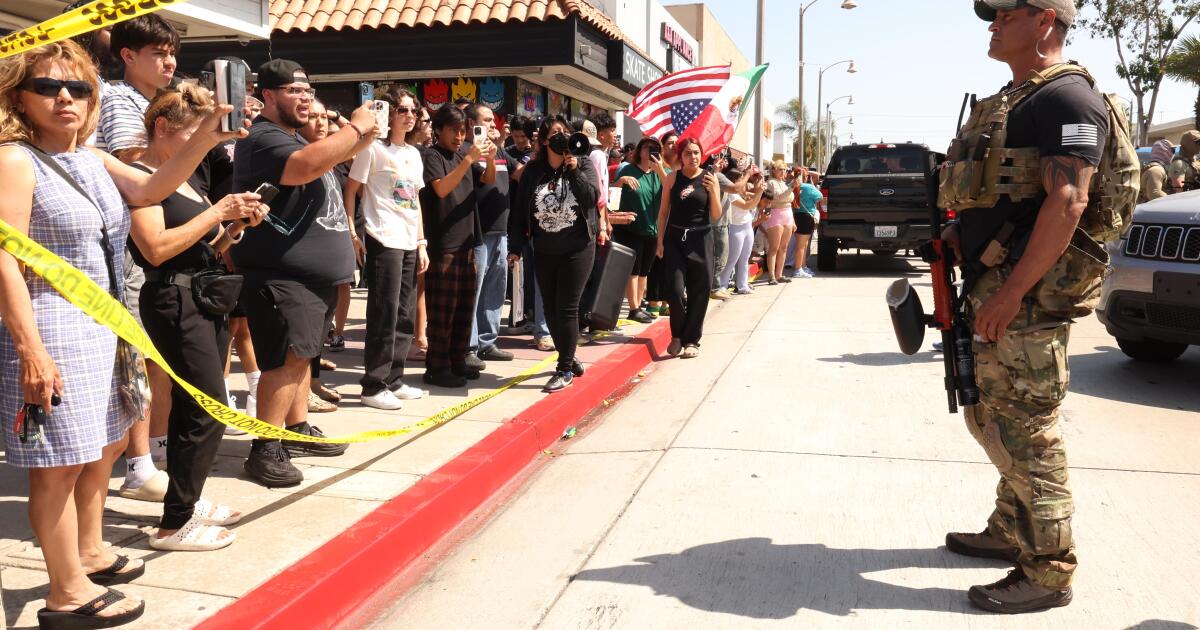
Federal prosecutors have been charging individuals with assault on federal officers during protests in various cities. The Trump administration has used these incidents to justify aggressive tactics against protesters. However, a Times analysis of court records shows that the majority of alleged attacks resulted in no injury to the officers. In many cases, officers were shoved, spat on, or had objects thrown at them. Despite the claims of increased assaults, many cases have ended in dismissals or acquittals, with no convictions at trial.
The Department of Homeland Security has highlighted cases where officers were injured, such as an ICE officer who needed stitches and suffered burns after being beaten with a metal coffee cup. President Trump has cited a 1,000% increase in assaults on ICE agents to justify aggressive tactics against protesters. However, the data provided by Homeland Security has been questioned, as it lacks context and transparency.
The Times' analysis of assault cases in five jurisdictions showed an increase in assaults on federal officers. ICE or Border Patrol agents were victims in about 60% of the cases. The increase in assaults can be attributed to the shift in tactics by immigration agents, who are now conducting more broad daylight operations in public spaces, leading to more interactions with the public.
In some cases, defendants were charged with assault after initiating physical contact with Border Patrol or ICE agents. The increase in reported assaults is also due to the increased presence of immigration agents in communities. Despite the claims of increased assaults, available data shows that local law enforcement officers are more likely to be attacked in the line of duty than immigration agents.
The trial of Alexandria Augustine, who was accused of assaulting a federal officer with an umbrella, highlighted the challenges faced by protesters in fighting back against charges of assault. The prosecutor argued that the umbrella was used as a weapon, while the defense claimed it was opened to protect fellow protesters. The case exemplifies the ongoing debate over the use of force by federal officers and the prosecution of individuals accused of assaulting them.