Challenges Faced by Afghan Veterans in the U.S.: The Story of Rahmanullah Lakanwal
Rahmanullah Lakanwal, a former member of a covert Afghan unit that worked with the CIA to target Taliban leaders, recently made headlines for a tragic incident in Washington, D.C. Lakanwal, who had been living in the U.S. after being evacuated from Afghanistan, was accused of a shooting that resulted in the death of a National Guard member and the injury of another. The motive behind the attack remains unclear, leaving many puzzled about why someone who had fought alongside American forces in Afghanistan would commit such a violent act.
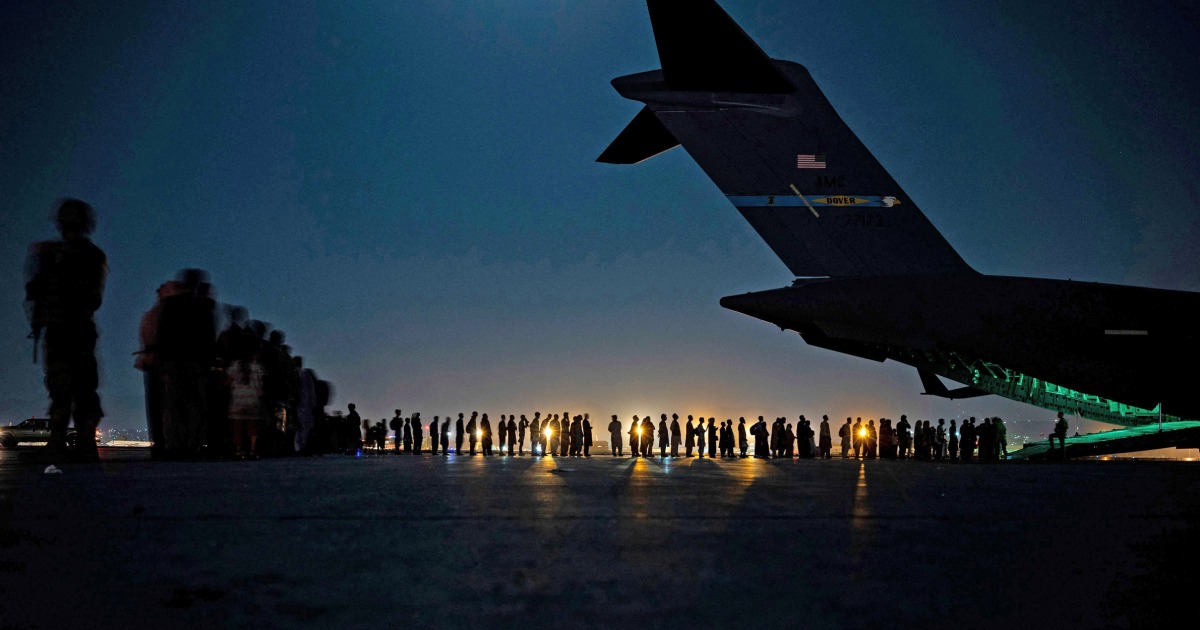
Following the shooting, there have been calls for a review of the vetting process for Afghan evacuees and a pause on immigration requests from Afghans seeking resettlement in the U.S. Some have criticized the Biden administration for allegedly failing to properly vet Lakanwal, despite claims that he underwent extensive vetting before joining the CIA-trained strike force and during his time with the unit. The Central Intelligence Agency oversaw the evacuation of Lakanwal and thousands of other Afghan veterans when the U.S. military withdrew from Afghanistan in 2021, and Lakanwal was granted asylum during the Trump administration.
Former intelligence officers and military veterans acknowledge that even thorough vetting cannot guarantee that individuals will not resort to violence. The mental health challenges faced by Afghan veterans, exacerbated by their legal struggles in the U.S., have raised concerns about their well-being and the support they receive. Despite the difficulties they face, these veterans, known as the Zero Units, are seen as valuable assets for security jobs due to their experience and skills.
The legal limbo that many Afghan veterans find themselves in has prompted calls for action from lawmakers to address their status and provide them with the support they need. The proposed Afghan Adjustment Act aimed to resolve the legal uncertainty for Zero Units veterans and other Afghans who worked with the U.S. government during the war. Despite bipartisan support and endorsements from military veterans in Congress, the bill was never adopted, leaving many Afghan veterans in a state of uncertainty and distress.
In conclusion, the story of Rahmanullah Lakanwal sheds light on the challenges faced by Afghan veterans who risked their lives to support American forces during the war. The tragic incident in Washington serves as a reminder of the complexities surrounding the resettlement and support of Afghan evacuees in the U.S. As efforts continue to address the legal and mental health needs of these veterans, it is crucial to recognize their contributions and provide them with the assistance they require to rebuild their lives in a new country.