Black Friday 2021: Record Online Spending and Changing Consumer Habits
This year's Black Friday saw a surge in consumer spending, with shoppers flocking to both physical stores and online platforms. According to Adobe Analytics, U.S. consumers set a new record by spending $11.8 billion online on Black Friday, a 9.1% increase from the previous year. The peak shopping hours were between 10 a.m. and 2 p.m., with $12.5 million flowing through online shopping carts every minute. Thanksgiving Day also saw record online spending of $6.4 billion, with top-selling categories including video game consoles, electronics, and home appliances.
Software company Salesforce estimated that Black Friday online sales in the U.S. reached $18 billion and globally totaled $79 billion. E-commerce platform Shopify reported that its merchants achieved a record $6.2 billion in sales worldwide on Black Friday, with sales peaking at $5.1 million per minute. The top-selling categories on Shopify included cosmetics and clothing. The shift towards online shopping has been evident, with more consumers opting for digital deals and longer promotional periods offered by retailers.
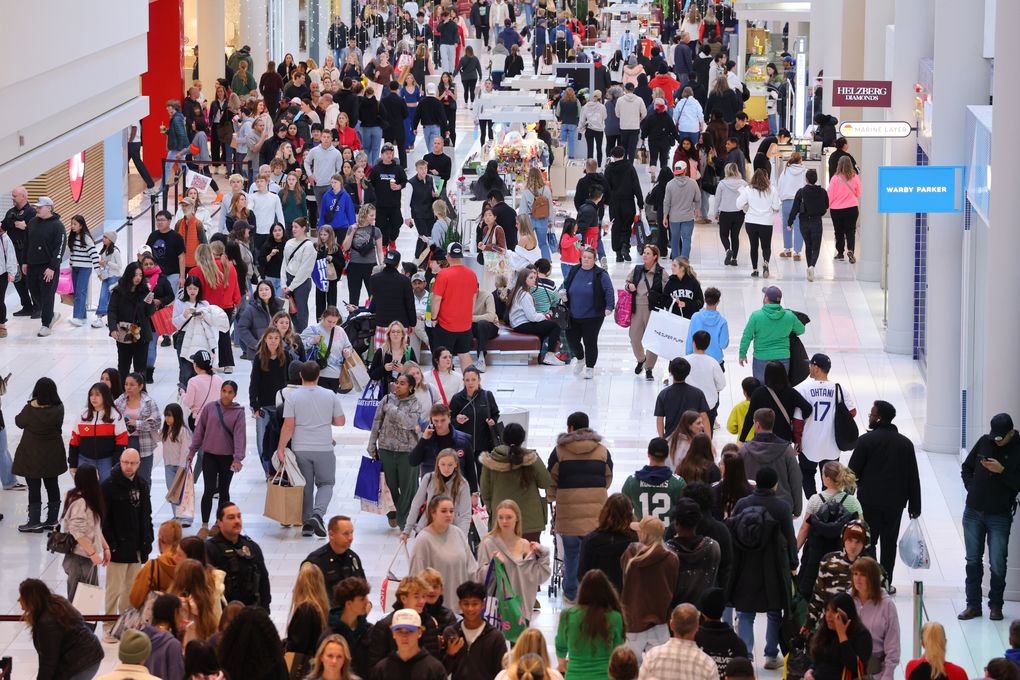
Despite the decline in in-store traffic, Black Friday remains a significant event for retailers. RetailNext data showed a 3.6% decrease in U.S. Black Friday foot traffic compared to the previous year. Consumers are changing their shopping habits, spreading out purchases over a longer period and entering stores with specific missions. Experts anticipate continued holiday spending throughout the weekend, with Adobe projecting U.S. shoppers to spend $5.5 billion on Saturday and $5.9 billion on Sunday, leading up to an estimated peak of $14.2 billion on Cyber Monday.
The impact of rising prices, attributed to tariffs on foreign imports, is evident in this year's holiday spending trends. Despite spending more overall, U.S. shoppers purchased fewer items at checkout on Black Friday, with order volumes also declining. Average selling prices increased by 7%, reflecting the strain on businesses and households. Economic uncertainties, including job security concerns and the effects of the government shutdown, have influenced consumer behavior during the holiday season.
The National Retail Federation predicts that U.S. holiday spending will surpass $1 trillion for the first time this year, although the growth rate is expected to slow compared to the previous year. Rising credit card debt and the popularity of "buy now, pay later" plans indicate a shift in consumer payment preferences. As the holiday season progresses, retailers and consumers navigate a landscape of economic challenges and changing shopping patterns.