Legal and Ethical Implications of Trump Administration's Drug Trafficker Elimination Directive
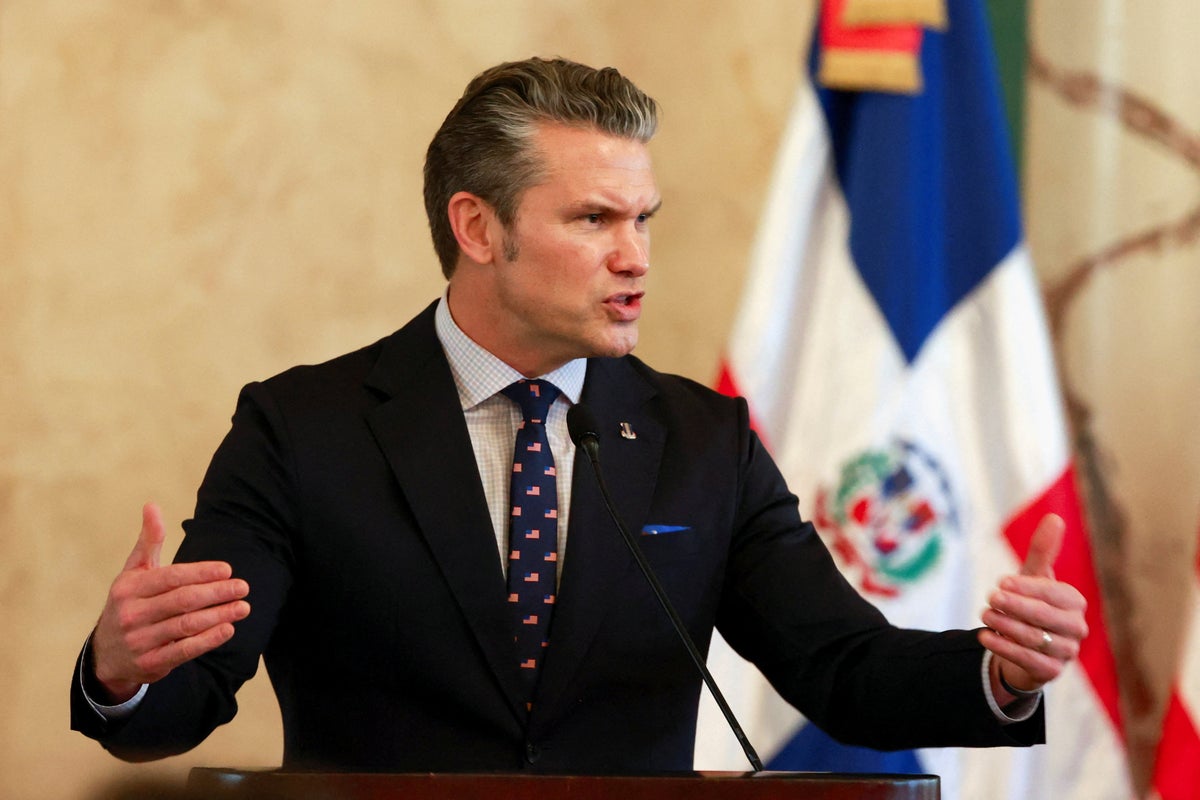
Defense Secretary Pete Hegseth reportedly issued a directive to eliminate all individuals on drug-running boats as part of the Trump administration's series of attacks on alleged traffickers. The attacks have resulted in the deaths of over 80 people in the past three months. A recent incident involved a missile strike on a vessel in the Caribbean carrying 11 individuals accused of drug trafficking. When two survivors were spotted, a second strike was ordered to comply with the directive to "kill everybody." The legality and ethical implications of these actions have raised concerns among international investigators and lawmakers, with some labeling them as extrajudicial killings and potential war crimes.
The Trump administration has justified these attacks by declaring an "armed conflict" with drug cartels, considering them as "unlawful combatants." The administration views the cartels as nonstate armed groups engaging in actions that constitute an armed attack against the United States, leading to a noninternational armed conflict. Despite the administration's claims, there has been no public evidence or legal justification provided for the deaths resulting from the strikes. A legal memo from the Department of Justice offers protection from criminal prosecution for military personnel involved in the attacks, but experts argue that the lack of clear legal basis exposes them to potential criminal liability.
Critics argue that the alleged traffickers targeted in these strikes do not pose an imminent threat to the United States and are not engaged in an armed conflict with the country. The absence of a clear legal framework for these actions raises concerns about the legality of the strikes and the potential violation of international law. The Trump administration's approach to these operations, without seeking congressional approval, has drawn criticism for bypassing established legal procedures and resorting to lethal force as a primary strategy.
President Trump's public statements and social media posts have emphasized a proactive and aggressive stance against drug trafficking, portraying the targeted individuals as terrorists and foreign criminal organizations. The administration's use of military force to combat drug-related activities raises questions about the proportionality and legality of such actions. As the situation continues to unfold, the implications of these strikes on international law and human rights remain a subject of ongoing debate and scrutiny.