Title: "Security Concerns Rise Over Vetting Process for Afghan Evacuees Amid National Guard Shooting Incident
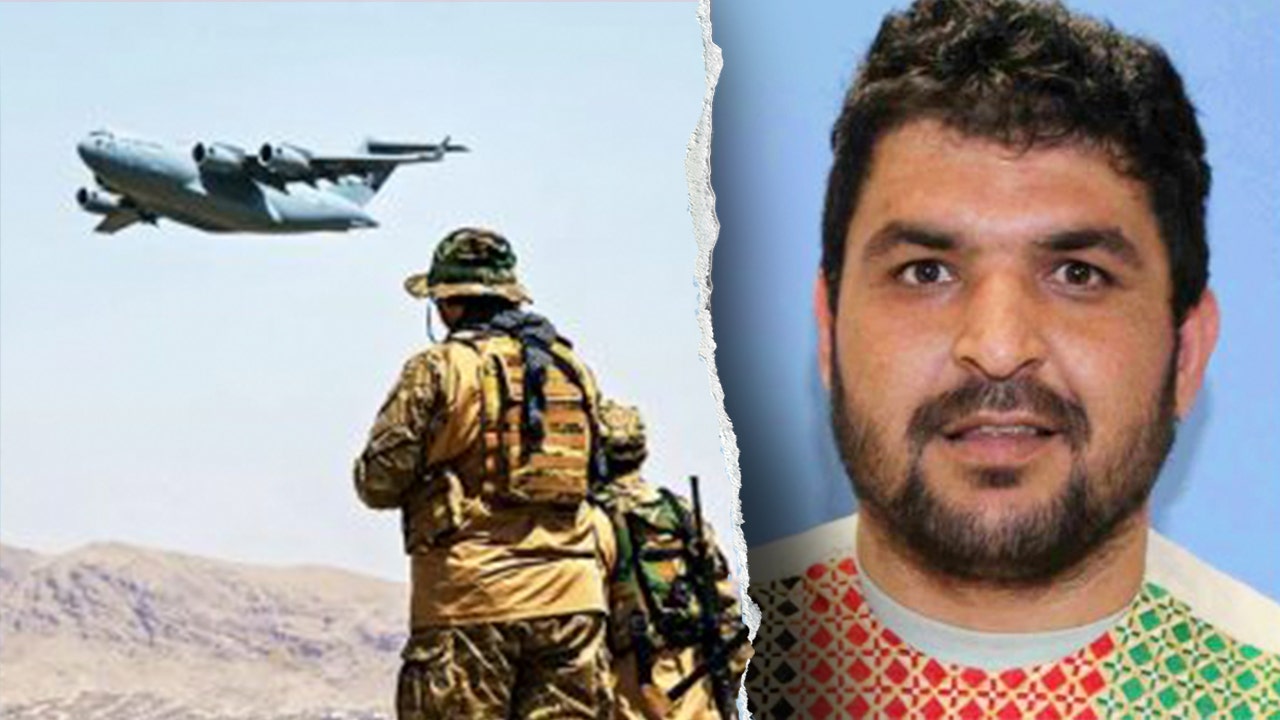
The recent ambush shooting of two National Guard members near the White House has raised concerns about the vetting process of Afghan evacuees during the rushed 2021 withdrawal. Former FBI special agent Nicole Parker described the screening process as a "free-for-all" during the chaotic evacuation that followed the Taliban's takeover of Afghanistan.
Thousands of Afghans were evacuated to the U.S. in the aftermath of the withdrawal, prompting worries from Republicans and official reports about the lack of proper vetting. Senator Josh Hawley revealed that 324 individuals entered with derogatory information, and a Department of Homeland Security report found that Afghan evacuees were not adequately vetted, posing potential national security risks.
FBI agents collaborated with Department of Defense contractors to screen Afghans, but the State Department reportedly overrode security concerns, allowing individuals into the U.S. despite not being recommended. The rushed evacuation process involved moving evacuees to temporary staging bases in various countries, leading to documentation gaps and vetting shortcuts.
The evacuation operation, which brought over seventy thousand people into the country in a short period, faced challenges due to incomplete databases and rapid processing. Despite the multilayered vetting process using various databases, critical data was sometimes unavailable, and evacuees were admitted without full vetting.
The lack of vetting has raised concerns about the safety of citizens, law enforcement, and the National Guard. The shooting of two National Guard members near the White House is seen as a consequence of the inadequate vetting of evacuees who arrived without verifiable documents or records, leaving them untraceable in intelligence or criminal databases.
The U.S. Attorney for the District of Columbia criticized the vetting process that allowed suspect Rahmanullah Lakanwal to enter the U.S. through Operation Allies Welcome. FBI Director Kash Patel emphasized the need to address the lax vetting process that led to individuals like Lakanwal entering the country without proper scrutiny.
A Pentagon inspector general report revealed that at least 50 evacuees with potential security concerns were brought to the U.S., and officials struggled to locate those with derogatory information. The FBI's Joint Terrorism Task Forces were actively investigating several Afghan evacuees, highlighting the ongoing security challenges.
Homeland Security Secretary Alejandro Mayorkas initially claimed that well over 99 percent of evacuees were screened and vetted before boarding flights, but later admitted that he could not guarantee this standard in every case. The uncertainty surrounding the vetting process has raised questions about the safety and security of the country.
In conclusion, the rushed evacuation of Afghan evacuees following the 2021 withdrawal has highlighted the challenges and risks associated with the vetting process. The lack of proper screening has raised concerns about national security and the safety of individuals in the U.S., emphasizing the need for improved vetting procedures to prevent potential threats.