White House Considers Two-Year Extension of Affordable Care Act Subsidies to Address Rising Health Care Costs
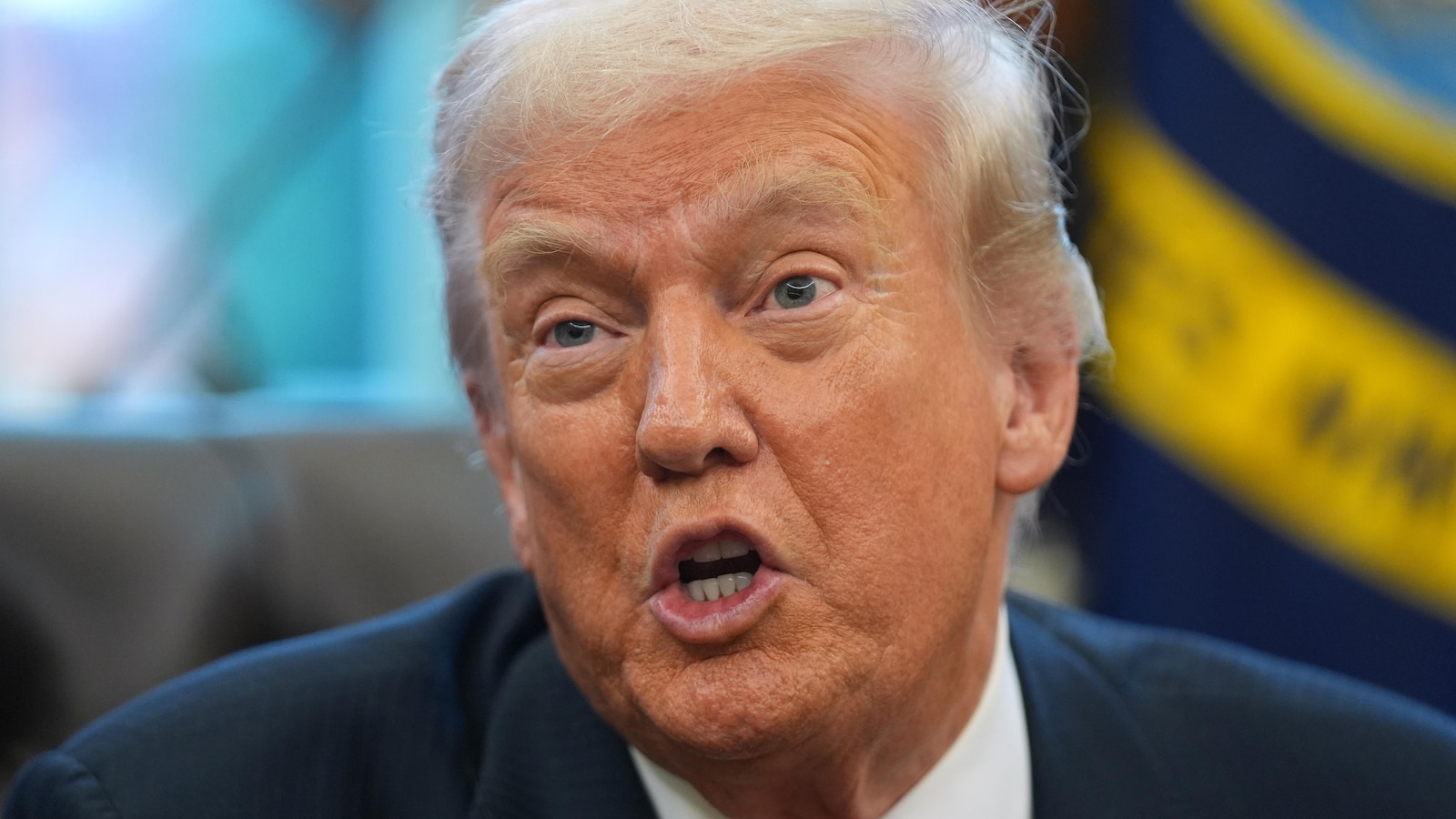
The White House is considering a proposal to extend Affordable Care Act subsidies for an additional two years to assist consumers in paying for health care coverage. The plan aims to address the impending expiration of current tax credits, which has caused concern among millions of Americans facing rising health care costs. President Donald Trump's administration and congressional Republicans are exploring policy solutions to this ongoing issue, with the White House emphasizing that no final decision has been made yet.
During the recent government shutdown negotiations, Democrats pushed for an extension of the tax credits, which are set to expire at the end of the year. The proposed extension would limit eligibility for Obamacare subsidies to 700% of the federal poverty level, compared to the original cap of 400%. Additionally, the plan would require all Obamacare beneficiaries to contribute some premium amount, ending zero-premium plans for lower-income individuals.
While the specifics of the White House proposal are still evolving, the potential extension of Obamacare provisions may face opposition from conservatives who have long sought to repeal and replace the law. Despite this, there are indications that parts of the plan could garner support from Democrats, signaling a potential starting point for negotiations. The proposal reflects a broader recognition of the need to address health care affordability issues that impact many Americans.
As discussions continue, key lawmakers and the White House are exploring various options to address health care costs and improve the system. The expiration of pandemic-era subsidies presents an opportunity for Trump and Republicans to shape health care policy. Efforts to redirect program spending into health savings accounts and enhance program integrity rules are among the ideas being considered to address fraud and waste in the system.
With the open enrollment period underway, Americans are already facing increased premiums for next year's coverage. Without congressional action, subsidized enrollees could see a significant rise in costs. The proposal to extend subsidies and introduce new measures aims to alleviate these concerns and provide more affordable health care options for individuals. The evolving discussions and proposals underscore the importance of finding bipartisan solutions to address health care affordability and access for all Americans.