Unlocking the Brain's Five Phases: Insights into Mental Health and Aging
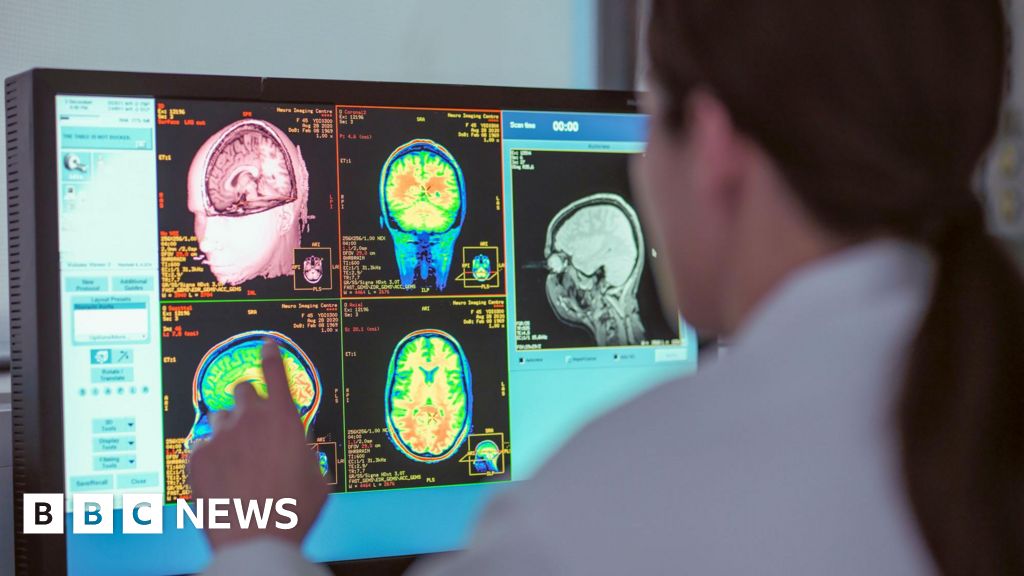
The brain undergoes five distinct phases throughout life, with significant milestones occurring at ages nine, 32, 66, and 83, as revealed by scientists. A study involving around 4,000 individuals up to the age of 90 utilized brain scans to uncover the connections between brain cells. Researchers from the University of Cambridge discovered that the brain remains in an adolescent phase until the early thirties, where it reaches its peak. Understanding these phases could provide insights into the varying risks of mental health disorders and dementia across different life stages.
The brain is in a constant state of change, adapting to new experiences and knowledge. The research indicates that this process is not a linear progression from birth to death but rather consists of fluctuations and distinct phases of brain rewiring. Dr. Alexa Mousley emphasized that the brain undergoes strengthening and weakening of connections throughout life, leading to these five identified brain phases.
While individuals may reach these milestones at different ages, the data highlighted the clear significance of these ages in brain development. The study's findings were made possible by the abundance of brain scans available, published in the journal Nature Communications. The five brain phases identified are childhood, adolescence, adulthood, early aging, and late aging, each characterized by unique changes in brain connectivity and efficiency.
During childhood, the brain experiences rapid growth in size while thinning out excess connections between brain cells. This phase is marked by decreased efficiency as the brain explores various pathways similar to a child wandering in a park. Adolescence, starting around age nine, signifies a period of increased efficiency in brain connections, with a heightened risk of mental health disorders emerging during this time.
Transitioning into adulthood, the brain enters a stable phase lasting three decades, where changes occur at a slower pace compared to earlier stages. Brain efficiency begins to decline during this period, aligning with a plateau in intelligence and personality. Early aging, starting at 66, brings about shifts in brain connectivity patterns, leading to increased segregation of brain regions working independently.
In late aging, at the age of 83, the brain undergoes further changes similar to early aging but more pronounced. While the study focused on healthy brains, this age marks the onset of conditions like dementia and high blood pressure that impact brain health. The alignment of these brain phases with significant life milestones such as puberty, health concerns, and social shifts underscores the importance of understanding brain development across the lifespan.
The study did not differentiate between men and women, raising questions about the influence of factors like menopause on brain development. Experts emphasized the link between brain wiring and various neurodevelopmental, mental health, and neurological conditions, highlighting the impact of differences in brain connectivity on cognitive functions and behaviors. Overall, the study sheds light on the dynamic changes that occur in the brain over a lifetime, emphasizing the need to consider individual variations in brain development.