US-Ukraine Collaboration on Revised Framework for Conflict Resolution: Updates and Challenges Ahead
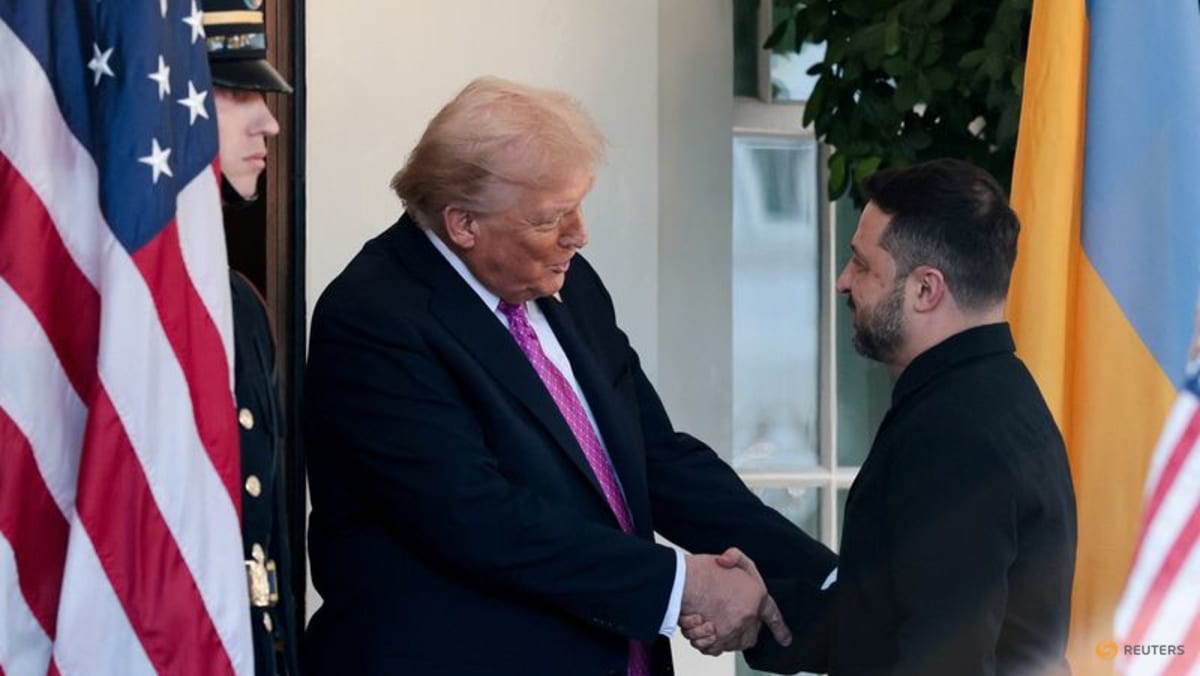
US and Ukrainian officials have collaborated on a revised framework to end the conflict with Russia, following talks in Geneva that led to a new version of a US proposal criticized by Kyiv and European allies. The updated approach emerged from discussions in Switzerland, with both sides refraining from disclosing specific details. Ukrainian President Volodymyr Zelenskiy announced that his delegation would return to Kyiv to brief on the outcome, while US President Donald Trump hinted at progress in the negotiations. Despite a few remaining points of contention, Washington expressed confidence in resolving them and mentioned the absence of a scheduled meeting between Trump and Zelenskiy.
The evolving US policy on the conflict has raised concerns among Kyiv and European capitals, particularly after Trump's meeting with Russian President Vladimir Putin in Alaska. The latest 28-point US proposal, which includes territorial concessions and limits on Ukraine's armed forces, has been met with resistance from Kyiv and its allies. In response, European governments proposed a plan to freeze fighting, defer territorial discussions, and provide Ukraine with a security guarantee akin to NATO's mutual defense commitments. However, Russia rejected the European proposal, underscoring the complexity of the negotiations.
As Zelenskiy navigates a challenging domestic landscape amid a corruption scandal and Russian advances, public skepticism persists regarding the proposed peace plan. The Ukrainian president emphasized the need for compromises that strengthen rather than weaken the country during discussions with Ukraine's partners. Sources familiar with the talks suggested that Zelenskiy might travel to the US soon to address the plan's sensitive aspects with Trump, highlighting the urgency of finding common ground.
Recent developments, such as a drone attack in Kharkiv and reciprocal drone incidents between Ukraine and Russia, underscore the ongoing tensions in the region. While European leaders discussed the situation at an EU–African Union summit, German Chancellor Friedrich Merz acknowledged Trump's receptiveness to a jointly developed peace plan as a positive step. However, the road to peace in Ukraine is expected to be arduous, with Polish Prime Minister Donald Tusk emphasizing the importance of any agreement not weakening Kyiv or Europe. The collaborative efforts between the US, Ukraine, and European partners reflect a shared commitment to resolving the conflict, albeit with challenges ahead.