Title: "Immigrant Physicians in the U.S.: Navigating Policy Changes and Uncertain Futures
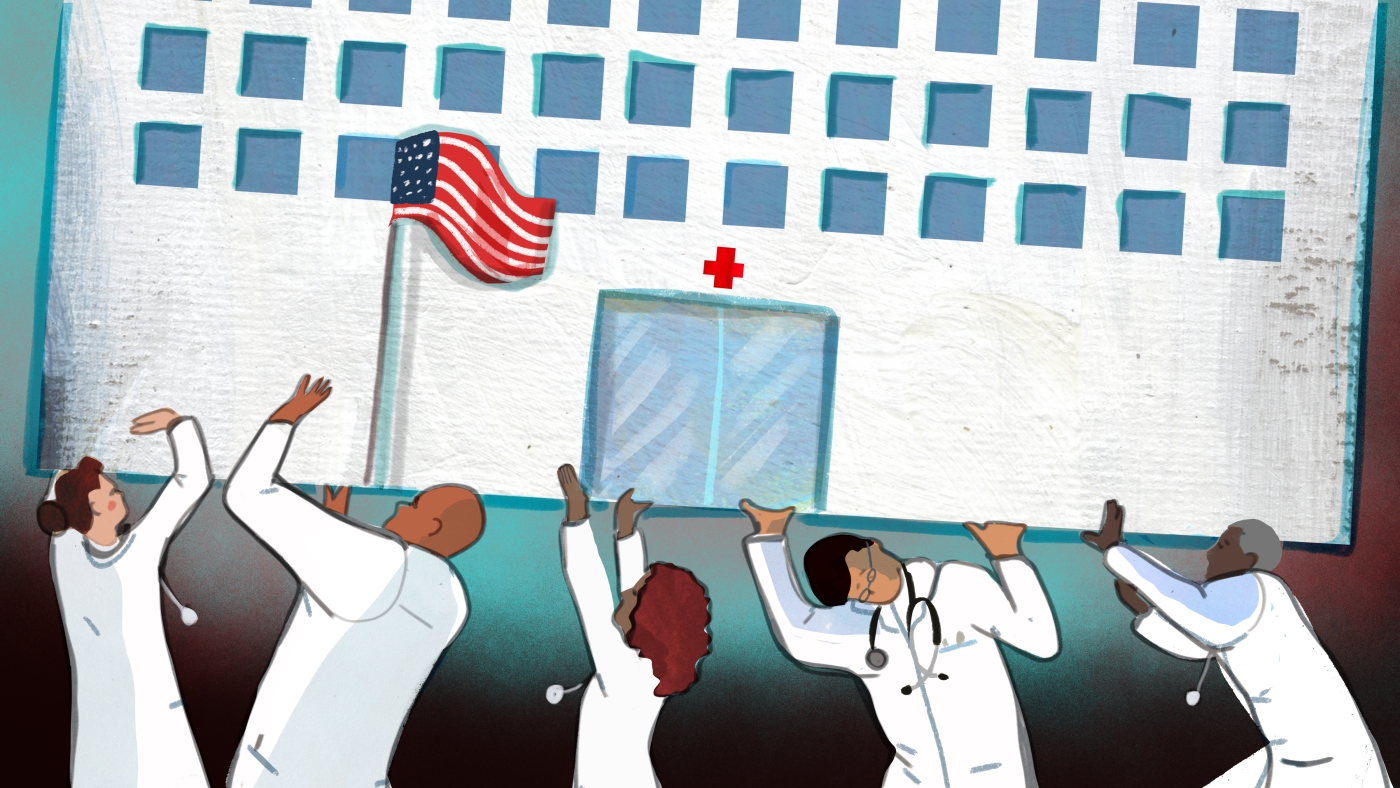
Michael Liu, a medical resident in Boston, originally from Toronto, Canada, came to the U.S. to pursue his dream of becoming a physician and researcher. However, recent policy changes by the Trump administration have made him question his future in the country. The administration's cuts to scientific research and the significant increase in fees for H1B visas have impacted immigrant doctors like Liu, who feel undervalued and uncertain about their careers. The reliance on immigrant physicians in the U.S. health care system is substantial, with about a quarter of all doctors being foreign-born.
The U.S. health care system heavily depends on immigrant physicians, especially in rural communities and certain medical specialties. Recent immigration and health policies have made it challenging for foreign-born talent to contribute to the American health system, leading to potential shortages in the workforce. Dr. Julie Gralow, from the American Society of Clinical Oncology, highlights that the U.S.'s reputation in attracting international talent has been damaged, with other countries now offering better opportunities for doctors and medical researchers.
The impact of recent policy changes on immigrant physicians is significant, particularly in underserved areas where they often work. Michael Liu's research shows that a substantial number of physicians in the U.S. hold H1B visas, with a higher concentration in areas with limited resources. The American Medical Association has called for exemptions for physicians from the new H1B fees, but the administration's stance on visa policies remains a concern for the health care workforce.
Since the 1960s, immigrants have played a crucial role in shaping the U.S. health care system, contributing to its reputation as a global leader in health research and practice. The influx of immigrant physicians was driven by federal investments in public health and scientific research, creating a demand for doctors in the country. However, recent policy changes threaten to undermine the U.S.'s position as a hub for medical talent, potentially impacting the quality of health care for American patients.
In conclusion, the current immigration and health policies in the U.S. are posing challenges for immigrant physicians and the health care system as a whole. The uncertainty and barriers faced by foreign-born doctors could lead to workforce shortages and affect the quality of care provided to patients. It is essential to address these issues to ensure the continued success and sustainability of the American health care system.