Preserving Montana's Public Lands: A Battle for Heritage and Future Generations
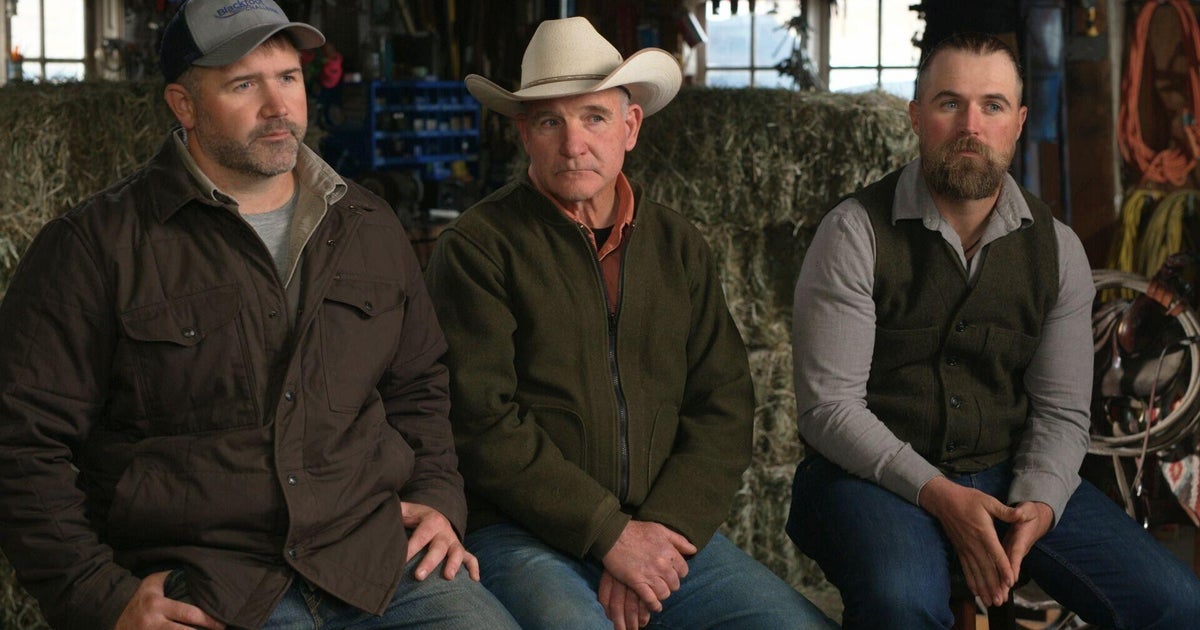
Montana residents recently united against a congressional proposal to sell public lands, viewing it as a threat to their cherished way of life. The state's vast open spaces symbolize freedom and opportunity, with the federal government owning and managing around 640 million acres of land, primarily in the West and Alaska. This land includes national parks, conservation areas, and resources like ranching, mining, and logging. The Trump administration has suggested that better management and reduced regulations could increase the value of federal lands. Senator Mike Lee proposed selling up to 3 million acres of federally owned land to address housing shortages and national debt.
Montana, known as "Big Sky Country," is a sparsely populated state with a diverse landscape of prairies and mountains. Approximately 30% of the state is federally owned, and residents feel a deep connection to the land. Montana ranchers like Bryan Mannix, who has been stewarding his family's land since 1882, see themselves as caretakers of the environment for future generations. The state has seen an influx of wealthy newcomers, leading to rising home prices and increased development of private land.
The Mannix family, who rely on a mix of owned, leased, and federally managed land for their ranching operation, expressed concerns about the potential sale of public lands. They, along with other Montana residents from various backgrounds, value public lands for their recreational, economic, and environmental benefits. Local land management groups like the Ruby Valley Strategic Alliance have actively opposed the sale proposal, emphasizing the irreplaceable value of public lands. Montana's representatives in Congress, including former Interior Secretary Ryan Zinke, have joined the fight to protect public lands from being sold off.
In conclusion, Montanans' deep connection to their public lands transcends political divides, as residents from all walks of life come together to defend the state's natural heritage. The debate over the sale of public lands reflects broader tensions between conservation and development, highlighting the importance of preserving these valuable resources for future generations.