Challenges and Controversies Surrounding the U.S. Peace Proposal in Russia-Ukraine War Talks
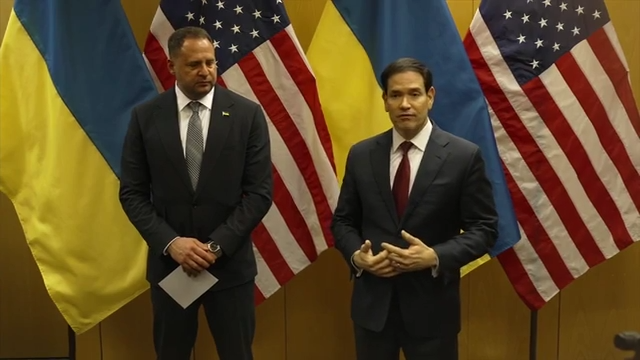
Progress was made in the Russia-Ukraine war talks, but details were scarce. U.S. Secretary of State Marco Rubio expressed optimism about reaching an agreement but provided little information on the discussions. The American proposal to end the conflict has raised concerns among European allies.
The 28-point blueprint drafted by the U.S. has caused alarm in Kyiv and European capitals. Ukrainian President Volodymyr Zelenskyy faces a dilemma between defending his country's sovereignty and maintaining American support. The proposal includes concessions to Russian demands that Ukraine has previously rejected.
The White House stated that the Ukrainian delegation's concerns were addressed during the meeting, and changes were made to reflect their national interests. However, doubts about the plan's origins and intentions have intensified, with some U.S. senators calling it a Russian "wish list."
Ukrainian officials expressed appreciation for the structured approach taken in the negotiations. The head of the Ukrainian delegation, Andrii Yermak, mentioned that progress was made towards achieving a just and lasting peace. The talks are ongoing, with the need for further discussions and consultations.
President Trump set a deadline for Ukraine to respond to the plan but indicated flexibility if there was real progress. He emphasized the importance of stopping Russia's war and preventing future conflicts. Ukrainian officials have met with key European allies to discuss the plan's implications on Ukraine's sovereignty and security.
The U.S. proposal is described as a "living breathing document" that will continue to evolve. The final agreement will require approval from Moscow, as the Russians have a say in the process. Ukrainian President Zelenskyy expressed gratitude for U.S. efforts on security while emphasizing Russia's role in starting the war.
The diplomatic efforts involve multiple stakeholders, including European nations, Canada, and Japan. Polish Prime Minister Donald Tusk emphasized the need to clarify the plan's authorship and creation. The plan has faced criticism for aligning with Russian interests rather than prioritizing Ukraine's national interests.
The peace plan has sparked controversy and pushback from European allies and U.S. lawmakers. Turkish President Recep Tayyip Erdogan announced plans to discuss reviving a previous agreement with Russian President Vladimir Putin. The diplomatic efforts aim to find a path to peace and address trade issues between Ukraine and Russia.
In conclusion, the ongoing negotiations aim to end the Russia-Ukraine war and establish a lasting peace agreement. The discussions involve complex geopolitical considerations and the balancing of national interests. The outcome of the talks will have significant implications for the region and international relations.