Unmasking the Golden State Killer: The Reign of Terror and Pursuit of Justice
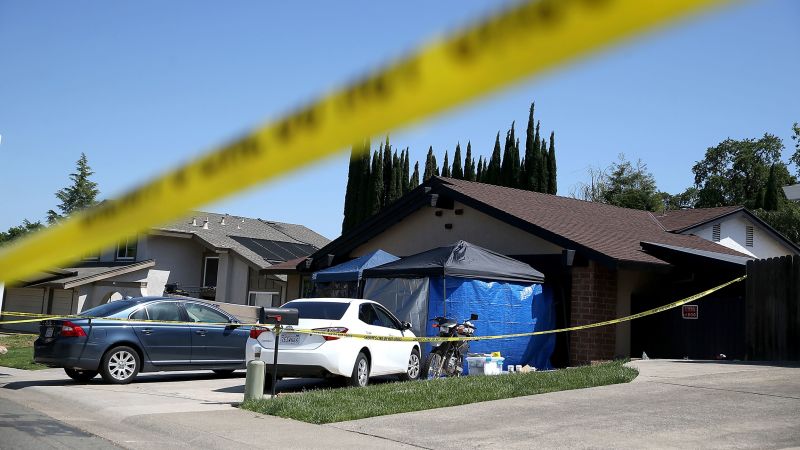
Joseph DeAngelo, known as the Golden State Killer, terrorized California neighborhoods in the 1970s and 1980s. He meticulously planned his attacks, targeting women and couples, leaving behind a trail of fear and devastation. DeAngelo's crimes escalated from burglaries to brutal assaults and murders, earning him various nicknames like The Visalia Ransacker and The Original Night Stalker. After nearly four decades, he was finally apprehended in 2018 in Citrus Heights, California, thanks to DNA evidence.
DeAngelo's arrest was a stark contrast to the heinous acts he committed. Once a feared predator, he appeared shocked and compliant during his arrest. However, his past crimes revealed a calculated and manipulative individual who used various tactics to evade capture. Despite his attempts to present a mental defense, investigators saw through his facade and brought him to justice.
The investigation into DeAngelo's crimes shed light on his troubled past and the deep-rooted issues that drove his violent behavior. From witnessing traumatic events as a child to feeling powerless in his personal life, DeAngelo sought control and power through his crimes. His actions, fueled by a desire for dominance, left a trail of devastation and trauma for his victims.
The victims of DeAngelo's crimes played a crucial role in the case, providing testimony and support throughout the investigation and trial. The focus on the survivors and law enforcement officers who never gave up the search for the Golden State Killer highlights the resilience and strength of those affected by his crimes. The pursuit of justice and closure for the victims was a central theme in the case, culminating in DeAngelo's conviction and sentencing in 2020.
The use of DNA technology played a pivotal role in solving the case, leading to DeAngelo's identification and eventual arrest. By leveraging genealogy databases and building a family tree from DNA samples, investigators were able to narrow down the list of suspects and ultimately link DeAngelo to the crimes. The meticulous investigative work and collaboration between law enforcement and victim advocates were instrumental in bringing the Golden State Killer to justice.
Despite DeAngelo's conviction, questions remain about the extent of his crimes and whether he continued his violent acts beyond his last known murder in 1986. The brutality of his attacks and the lingering impact on his victims serve as a reminder of the lasting effects of his reign of terror. The survivors' resilience and pursuit of justice stand as a testament to their strength and courage in the face of unimaginable trauma.