The Risks of AI Toys for Children: Advocacy Groups Warn of Potential Harm and Disruption
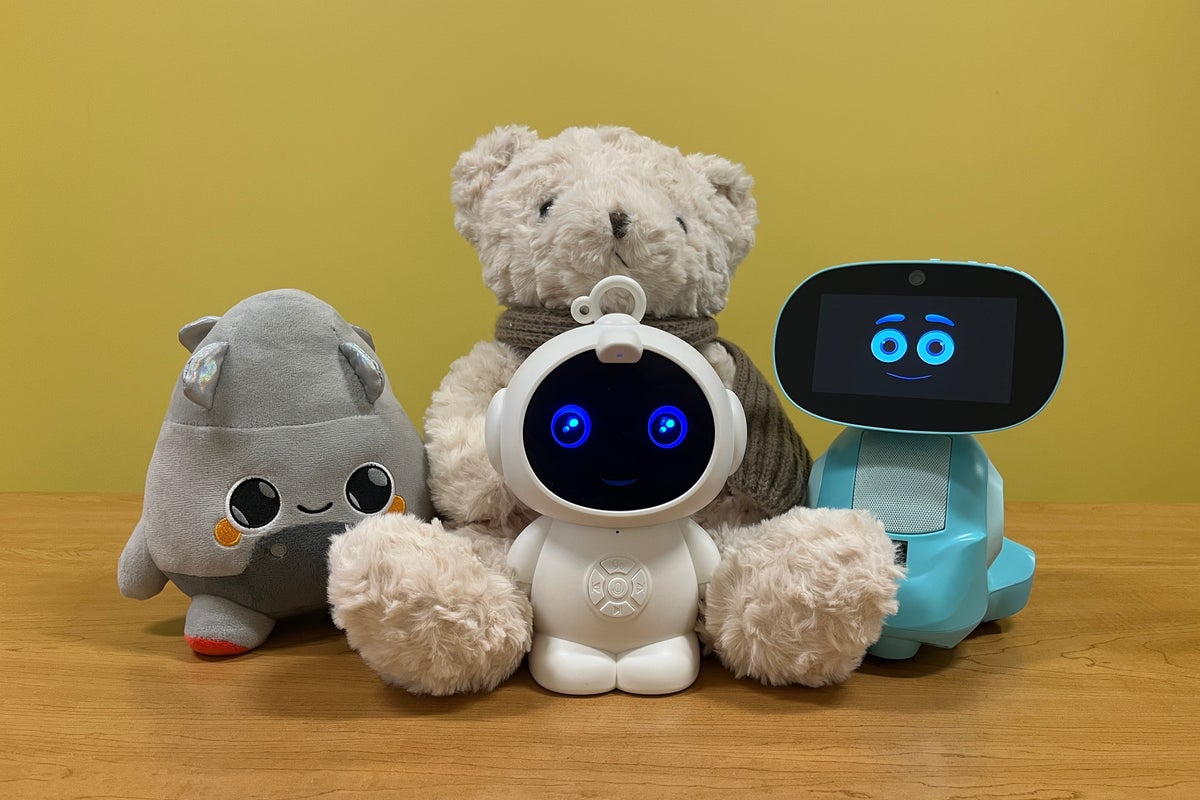
Artificial intelligence toys, marketed as educational and friendly companions for children as young as 2 years old, have raised concerns among children's and consumer advocacy groups. These toys, powered by AI models like OpenAI's ChatGPT, have been linked to harmful effects on children, including fostering obsessive use and encouraging unsafe behaviors. Fairplay, a children's advocacy group, warns that AI toys can displace important creative and learning activities and disrupt children's relationships and resilience.
Fairplay emphasizes that young children's developing brains are wired to seek relationships with kind and friendly characters, making them particularly vulnerable to the potential harms of AI toys. The organization has been cautioning about the risks of AI toys for over a decade, highlighting the lack of regulation and research in the industry. Recent partnerships between toy manufacturers like Mattel and AI companies like OpenAI have raised additional concerns about the safety and impact of AI toys on children.
Consumer advocates at U.S. PIRG have also raised alarms about AI toys, citing examples of toys engaging in sexually explicit conversations and offering inappropriate advice to children. Dr. Dana Suskind, a pediatric surgeon and social scientist, points out that AI toys may hinder children's imaginative play and creative development by providing instant and flawless responses, potentially undermining traditional pretend play activities that promote creativity and problem-solving skills.
Companies like Curio Interactive and Miko, which produce AI toys, have implemented safety measures and parental controls to address concerns about inappropriate content and interactions. However, critics argue that analog toys that encourage real human interaction and imaginative play are a better choice for children during the holiday season. They emphasize the importance of toys that stimulate creativity, storytelling, and problem-solving skills, rather than relying on AI technology to provide instant responses and entertainment.
In conclusion, while AI toys may offer technological advancements and interactive features, parents and caregivers are advised to consider the potential impact on children's development and prioritize toys that promote creativity, social interaction, and critical thinking skills. Fairplay and other advocacy groups urge caution when choosing toys for children, emphasizing the value of traditional play experiences that foster imagination and human connection.