President Lula Nominates Jorge Messias to Brazilian Supreme Court: A Strategic Move to Appeal to Evangelical Voters
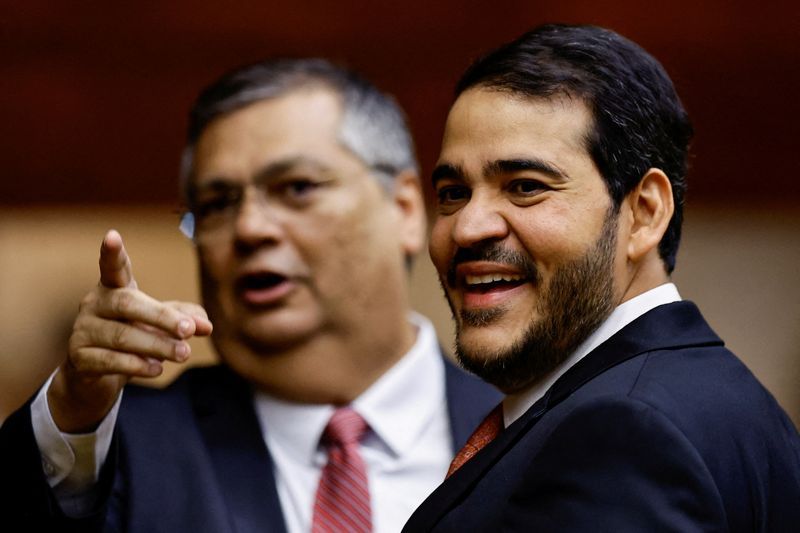
Brazilian President Luiz Inacio Lula da Silva has nominated Solicitor General Jorge Messias to fill a vacancy on the Supreme Court, following Justice Luis Roberto Barroso's early retirement announcement. The appointment, Lula's third during his current term, is subject to approval by the Brazilian Senate. Messias, who has served in the solicitor general's office for nearly two decades, has been praised for his legal expertise and successful arguments before the Supreme Court. His nomination has sparked some controversy among senators and justices, but Lula's decision is seen as a strategic move to appeal to Brazil's evangelical Christian community, a significant demographic in the country.
Jorge Messias, a 45-year-old Baptist, has been at the helm of the solicitor general's office since the beginning of Lula's current term in 2023. His track record includes winning a crucial Supreme Court case against Congress and representing the government in high-profile cases, such as the 2023 attack on government buildings by supporters of former President Jair Bolsonaro. With Brazil's population witnessing a shift in religious demographics, Lula's choice of Messias is seen as an attempt to strengthen his support among evangelical voters, whose approval ratings of the president have been below average. As Lula gears up for a potential re-election bid next year, his Supreme Court appointments play a crucial role in shaping the country's legal landscape.
If confirmed by the Senate, Messias could serve on the Supreme Court until he reaches the mandatory retirement age of 75 in February 2055. Lula's previous appointments to the high court, including his former personal lawyer Cristiano Zanin and former Justice Minister Flavio Dino, have left a lasting impact on Brazil's judiciary. With Messias set to be Lula's final appointment to the Supreme Court during his term, the president's legacy in shaping the country's highest judicial body is coming to a close. As Brazil navigates through political transitions and societal changes, the role of the Supreme Court and its justices remains pivotal in upholding the rule of law and safeguarding the country's democratic institutions.