Unpacking the Impact of NIH Funding Cuts on Medical Research and Patient Participation
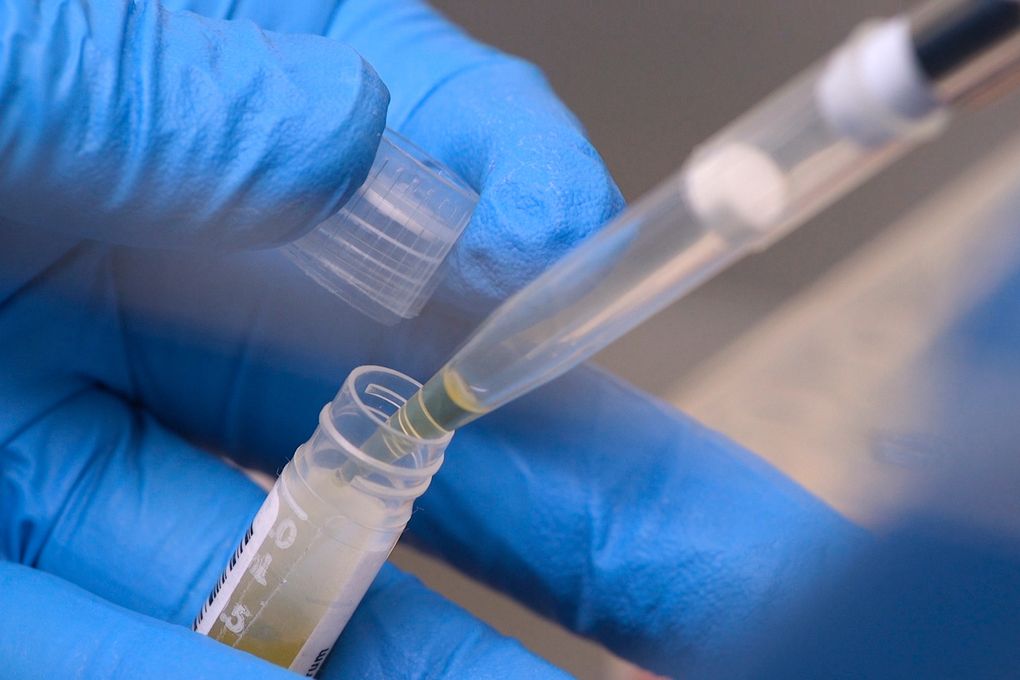
The National Institutes of Health (NIH) has faced significant funding cuts, affecting over 74,000 participants in research studies. From February to August, 383 studies focusing on various conditions, including cancer and infectious diseases like the flu and COVID-19, lost funding. This disruption impacted patients who may have been waiting for trials to start, lost access to medication, or participated in trials with unpublished results.
Heather Pierce from the Association of American Medical Colleges highlighted the profound impact of the funding cuts on the research enterprise. The loss of research not only hinders potential new treatments but also erodes trust between patients and medical institutions. Patients may be hesitant to participate in future trials due to the uncertainty of funding stability.
Anupam B. Jena from Harvard Medical School emphasized the importance of clinical trials in generating evidence for medical treatments. The study revealed that 1 in 30 NIH-funded studies lost funding during the study period, indicating a significant impact on research projects. Former NIH institute director Jeremy Berg expressed concerns about the long-term consequences of the funding cuts on patient participation in research.
Under the Trump administration, the NIH has cut billions of dollars in research projects, leading to challenges and pushback from the scientific community. The Supreme Court decision in August allowed the NIH to cut funding for diversity, equity, and inclusion efforts, further complicating the research landscape. Despite the challenges, NIH scientists and researchers continue to advocate for the importance of maintaining funding for critical research initiatives.
In conclusion, the NIH funding cuts have had far-reaching implications on research studies and patient participation in clinical trials. The disruption caused by the loss of funding underscores the need for sustained support for medical research to advance treatments and improve patient outcomes.