Supreme Court Declines Case on Pregame Prayer at Championship Football Game: Balancing Free Speech and Religious Rights
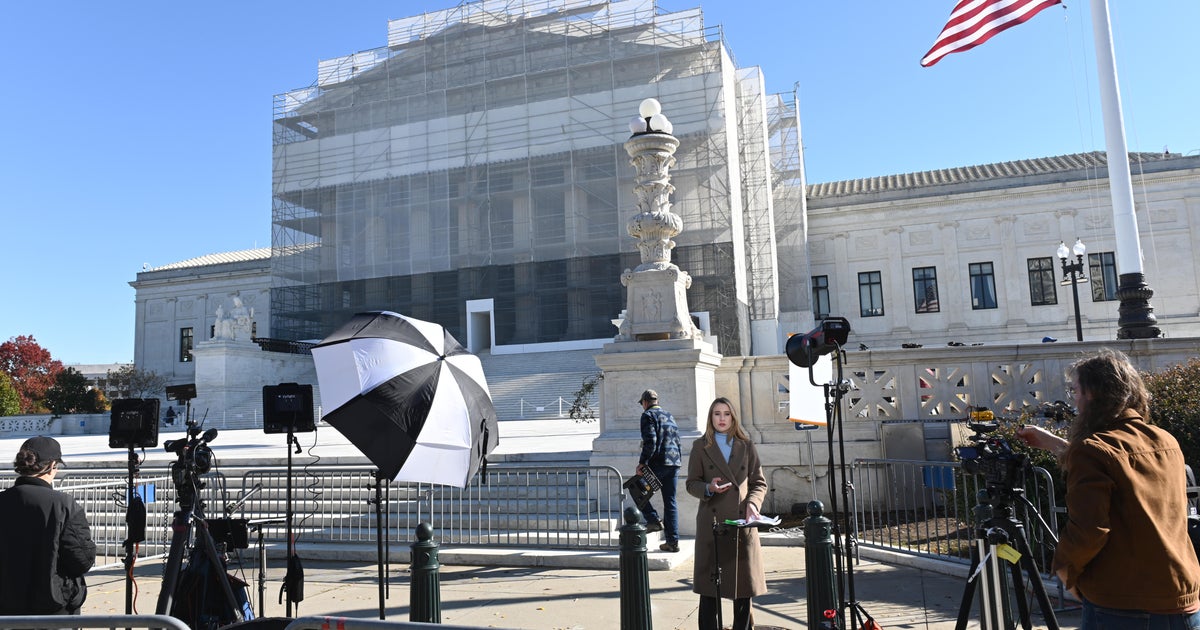
The Supreme Court recently declined to hear a case involving a Christian school's request to broadcast a pregame prayer over the stadium loudspeaker before a championship football game. The school, Cambridge Christian, argued that their free-exercise and free-speech rights were violated when the Florida High School Athletic Association denied their request. The legal battle stemmed from a 2015 incident where the schools were not allowed to use the public-address system to broadcast a prayer before the game. The Supreme Court's decision means that a 25-year-old ruling on student-led prayer at football games will remain in place.
The dispute began when Cambridge Christian and University Christian were set to play in the Class 2A state championship in 2015. The schools requested permission to say a pregame prayer over the stadium's loudspeaker, but the athletics association denied the request, citing concerns about government speech and the Establishment Clause. The schools were instead advised to pray together before the game, which they did. Cambridge Christian later sued the FHSAA, alleging a violation of their First Amendment rights.
The legal battle continued with a federal district court ruling in favor of the athletics association, stating that the pregame speech broadcast over the PA system was considered government speech. The court also found that Cambridge Christian's religious rights were not violated by being denied access to the loudspeaker for pregame prayer. The school appealed the decision, leading to the enactment of a law requiring the FHSAA to allow schools to make brief opening remarks through the public address system.
The 11th Circuit Court of Appeals upheld the district court's decision, stating that pregame speech at the championship game constituted government speech. The court rejected Cambridge Christian's free exercise claim, emphasizing that the FHSAA was regulating its own expression by preventing pregame speech over the public-address system. The school appealed to the Supreme Court, arguing that the association censored private religious speech while allowing private speech over the loudspeaker. The outcome of the case underscores the complexities of balancing free speech and religious rights in public settings.
In conclusion, the Supreme Court's decision not to hear the case involving Cambridge Christian and the FHSAA reaffirms the existing legal framework surrounding student-led prayer at public events. The dispute highlights the challenges of navigating religious expression in government settings and underscores the importance of upholding constitutional principles while respecting diverse beliefs.