Keith Urban's Performance of 'Pink Pony Club' at Mar-a-Lago: Controversy and Interpretation
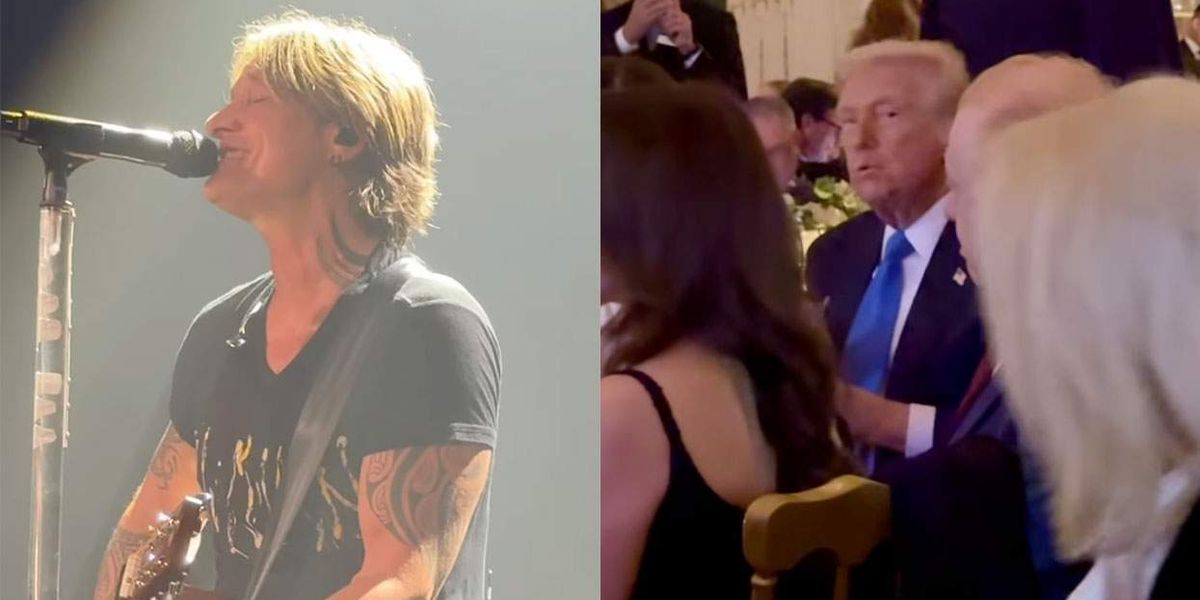
Keith Urban, the former husband of Academy Award-winning actress Nicole Kidman, has sparked controversy with his song choice during a performance at Mar-a-Lago for Donald Trump and billionaires. Urban sang a cover of Chappell Roan's gay bar-themed hit "Pink Pony Club" at a private party hosted by billionaire Anthony Pratt at the Trump-owned Florida resort. The choice of the song has raised questions about its significance and intention, especially given the venue and audience.
A video shared on Instagram by @agirlhasnopresident captured Urban's acoustic performance of "Pink Pony Club" at the event. The song, which celebrates queer acceptance, was sung in front of an American flag backdrop, with President Trump also in attendance. The juxtaposition of the song's message with the setting of the party has led to speculation about the underlying message or irony behind Urban's song selection.
The Instagram user @tali.florida, who was present at the party, shared clips of Urban's performance and President Trump's attendance. The event, hosted by Anthony Pratt, included great food, French fries, and entertainment by Keith Urban. The performance of "Pink Pony Club" at the party, where Pratt pledged a significant amount towards American manufacturing projects, has drawn attention to the context in which the song was sung and its potential implications.
Chappell Roan, the artist behind "Pink Pony Club," drew inspiration for the song from her experience at a gay bar in Los Angeles. She found a sense of complete love and acceptance in that environment, which encouraged her to embrace her true self and express her creativity freely. The song reflects her journey towards self-acceptance and authenticity, resonating with those who have faced challenges in being true to themselves.
In conclusion, Keith Urban's rendition of "Pink Pony Club" at the Mar-a-Lago event has sparked discussions about the song's message and its alignment with the venue's atmosphere. The performance has raised questions about the intention behind the song choice and its significance in a setting that may not necessarily reflect the themes of queer acceptance and inclusivity celebrated in the song.