Immigration Policy Impact: Declining Enrollment of Immigrant Students in U.S. Schools
Schools across the United States, from Miami to San Diego, are experiencing significant declines in enrollment of students from immigrant families. This drop can be attributed to various factors, including parents being deported or voluntarily returning to their home countries due to the current immigration policies. Additionally, fewer families are immigrating to the U.S., leading to a decrease in newcomer students in many school systems.
Miami-Dade County Public Schools, for example, has seen a drastic decrease in the number of students entering the district from other countries this school year compared to previous years. This trend has had a significant impact on the district's budget, resulting in a $70 million shortfall that administrators are working to address. The decline in immigrant students adds to the challenges faced by traditional public schools, which are already experiencing drops in overall enrollment.
In some areas, such as northern Alabama, the Hispanic population has been growing alongside the local economy, attracting immigrants to work in industries like poultry processing. However, with the closure of the border and fewer newcomers arriving, schools like Albertville City Schools are facing enrollment declines that may lead to teacher layoffs. The impact of these changes is felt not only in the educational system but also in the lives of immigrant families who are facing uncertainty and challenges.
The story of Edna, a 63-year-old immigrant from El Salvador who took in seven young children after their mother was detained on immigration charges, highlights the human impact of these enrollment declines. As families are separated and children are uprooted from their familiar surroundings, the emotional toll is evident. The decrease in immigrant students enrolling in schools across the country is reshaping communities and affecting the educational experiences of both newcomers and long-time residents.
The current situation is reflected in the enrollment numbers of school districts like Denver Public Schools, Waukegan Community Unified School District 60, and Houston Independent School District, where fewer new-to-country students are registering compared to previous years. The changes are also noticeable in cities like Chelsea, Massachusetts, which have historically been destinations for new immigrants but are now experiencing a quieter year with fewer newcomers enrolling in schools.
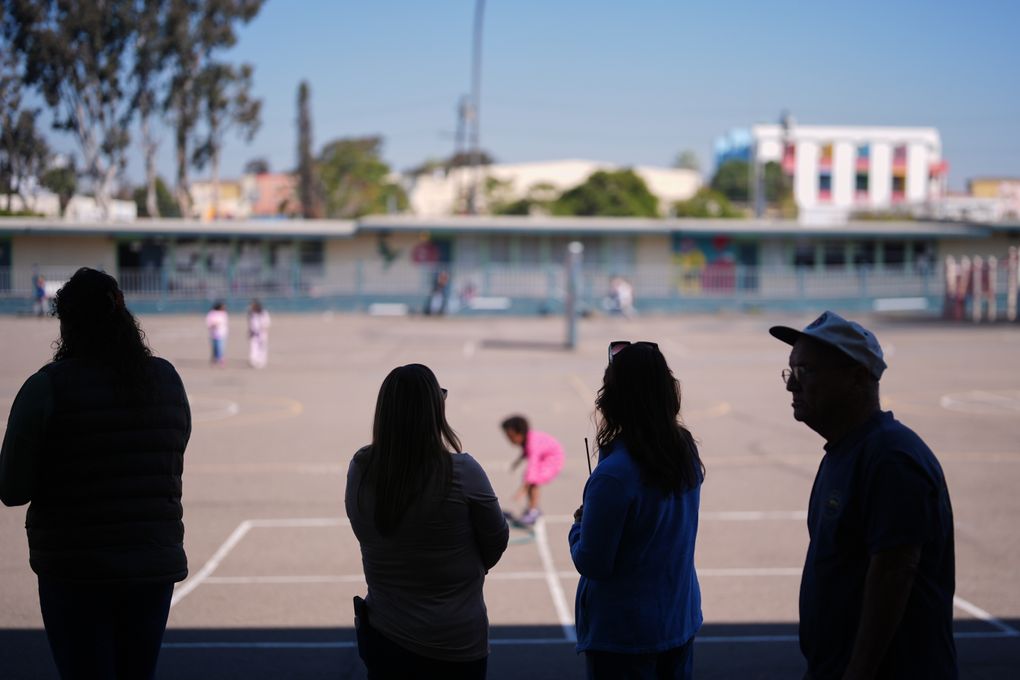
As educators and administrators navigate these challenges, the impact on students' social and emotional development is a growing concern. Principal Fernando Hernandez in San Diego, who has welcomed newcomer students from Latin America in the past, is now facing a school year without any new arrivals. The disruption caused by the decline in immigrant students extends beyond academic progress, affecting students' ability to learn from diverse perspectives and develop essential social skills.
The uncertainties faced by immigrant families, such as Natacha from Venezuela, who fears immigration enforcement while sending her daughters to school in California, underscore the complex realities of the current immigration landscape. As schools grapple with enrollment declines and budget challenges, the need for support and understanding for immigrant students and families remains crucial. The impact of these changes goes beyond numbers and budgets, shaping the experiences and futures of individuals and communities across the country.