Balancing Environmental Protection and Landowner Rights: The Revised Waters of the United States (WOTUS) Rule
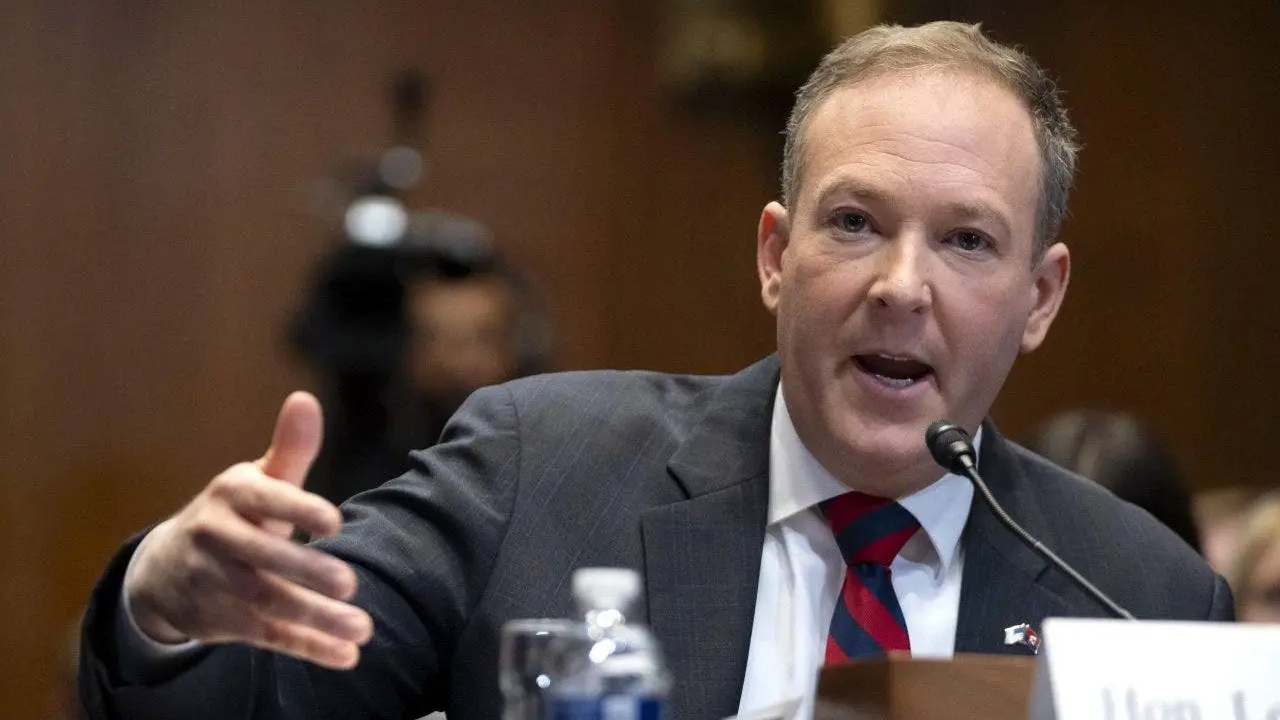
The Environmental Protection Agency (EPA) is set to unveil a revised version of the Waters of the United States (WOTUS) rule, which has faced criticism for its broad reach and potential impact on landowners. The rule, initially established under the Clean Water Act during the Nixon administration, aimed to regulate wetlands and protect water resources. However, subsequent administrations expanded its scope, causing concerns among landowners about federal overreach.
EPA Administrator Lee Zeldin emphasized the need for clear and practical rules that balance environmental protection with economic growth. The Obama and Biden administrations extended the WOTUS definitions, leading to increased federal jurisdiction over various land areas. The new rule aims to provide regulatory clarity while safeguarding America's waterways, addressing concerns raised by farmers, ranchers, and energy producers.
The revised rule, developed in collaboration with Assistant Secretary of the Army for Civil Works Adam Telle, seeks to alleviate the regulatory burden on landowners. It defines terms like "relatively permanent" and "tributary," aligning the rule with the original intent of the Nixon-era regulation. The rule also includes exclusions for groundwater, runoff, and previously cultivated land, empowering state, tribal, and local authorities in permitting decisions.
The EPA's decision to revise the WOTUS rule follows feedback from Americans during listening sessions, highlighting the need for clear parameters that support environmental stewardship and land use activities. By focusing on consistent flow to navigable waters and surface water retention in wetlands, the new rule aims to strike a balance between regulatory oversight and property rights.
The Supreme Court's unanimous decision in favor of landowners in a related case prompted the Biden administration to adjust its approach to the rule, leading to further clarification by the Trump administration. The revised rule aims to address concerns raised by farmers, homesteaders, and energy producers about federal control over small water bodies and wetlands, ensuring a more balanced regulatory framework.
In conclusion, the EPA's announcement of the revamped WOTUS rule reflects a commitment to providing regulatory clarity while protecting water resources and supporting economic activities. The revised rule aims to strike a balance between environmental protection and land use rights, addressing concerns raised by various stakeholders and aligning with the original intent of the regulation.