Unprecedented Pardon: Trump's Controversial Decision in Zhao Case Raises Questions of Influence and Corruption
President Trump recently granted a pardon to Changpeng Zhao, a billionaire businessman accused of causing harm to U.S. national security. Zhao is the founder of Binance, the world's largest cryptocurrency exchange, which faced legal issues related to money laundering. Despite not meeting Justice Department guidelines for a pardon, Zhao received one, raising concerns about the influence of money and self-dealing in the process.
Elizabeth Oyer, a former Justice Department official, criticized the pardon as unusual and corrupt, highlighting the benefits it conferred on President Trump and his inner circle. The pardon came amidst Trump's vocal support for the crypto industry and the launch of a new crypto venture by him, his family, and partners. World Liberty Financial, a crypto firm associated with the Trumps, received support from Zhao's Binance, propelling it into the spotlight.
Following his release from prison, Zhao's company donated software to World Liberty, aiding in the launch of their cryptocurrency. Subsequently, Zhao applied for a presidential pardon, coinciding with a significant deal that boosted World Liberty's standing in the market. The Emirati fund's $2 billion investment in Binance, conducted in World Liberty crypto, raised questions about potential influence on U.S. foreign policy and the administration's decision-making.
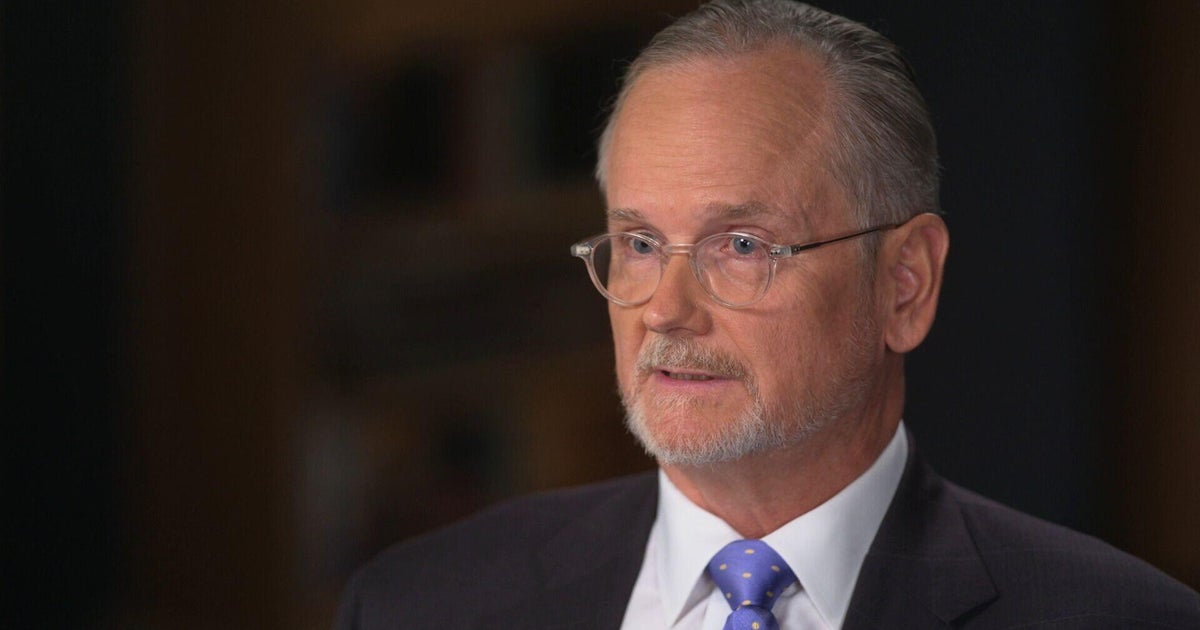
Lawrence Lessig, an ethics expert, highlighted the potential for corrupting relationships in such transactions, emphasizing the lack of explicit evidence of quid pro quo. The Emiratis defended their investment in World Liberty as business-oriented, unrelated to subsequent announcements of U.S. investments and technology deals. The deal raised concerns about the control Zhao now holds over World Liberty's fate and the potential financial gains for the Trumps and their associates.
President Trump's pardon of Zhao, signed in October 2025, drew attention to the lack of transparency and potential conflicts of interest in the process. Despite denying knowledge of the Emirati deal and Zhao's involvement, Trump's ties to the crypto industry and his family's business ventures raised questions about ethical considerations and the impact on U.S. governance. The pardon and subsequent developments underscored the complexities of financial influence and political decisions in the current landscape.