Japan-China Diplomatic Tensions: Impact on Tourism and Retail Sectors
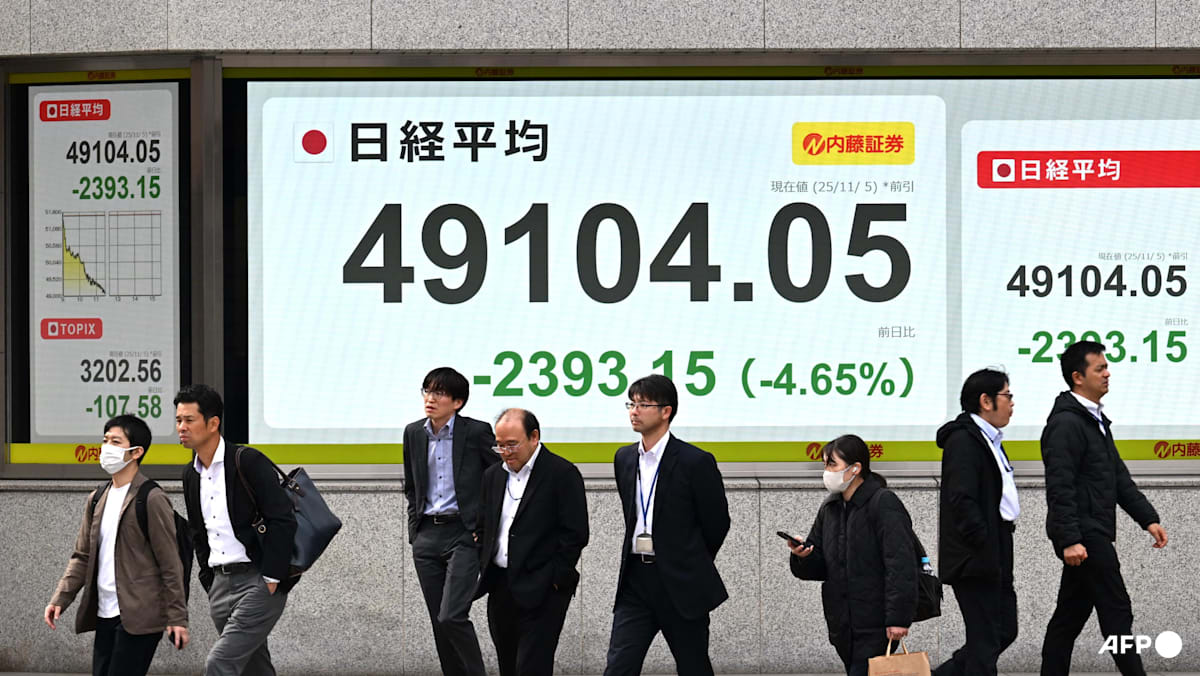
Japanese tourism and retail stocks experienced a significant decline following China's advisory against travel to Japan due to comments made by Prime Minister Sanae Takaichi regarding Taiwan. Shares of companies like Shiseido, Takashimaya, and Fast Retailing, the parent company of Uniqlo, dropped in morning trading. China, being a major source of tourists for Japan, reacted strongly to Takaichi's remarks, which were seen as potentially supporting Taiwan in a conflict situation. The tension between the two countries escalated after the comments, leading to diplomatic actions and warnings against travel.
Takaichi's previous criticism of China and her recent comments about Taiwan's security raised concerns in the region. Her statements implied a possible military involvement in a Taiwan emergency, which could have serious implications for Japan's security. The delicate balance of power in the Asia-Pacific region was further strained by the perceived threat posed by Takaichi's remarks. The situation escalated as China and Japan summoned each other's ambassadors and issued travel advisories.
The historical context of Japan's occupation of Taiwan and China's claim over the territory added complexity to the diplomatic tensions. The longstanding territorial disputes and military posturing between the two countries have often strained their bilateral relations. The recent incident involving Takaichi's comments and the subsequent reactions highlighted the fragility of the relationship between China and Japan. The potential for further escalation and the need for diplomatic dialogue to address the issues were evident in the aftermath of the controversy.
As the diplomatic tensions continued to escalate, Japanese officials sought to clarify their position and address the concerns raised by China. The director general of the Asian and Oceanian Affairs Bureau at the Japanese foreign ministry traveled to China for talks with his Chinese counterpart. The discussions aimed to reaffirm Japan's traditional stance on security issues and express concerns over the provocative social media posts by the Chinese diplomat. The diplomatic efforts were crucial in managing the fallout from Takaichi's comments and preventing further deterioration of relations between the two countries.
In conclusion, the fallout from Prime Minister Takaichi's comments regarding Taiwan and the subsequent reactions from China underscored the delicate balance of power and historical tensions in the Asia-Pacific region. The impact on Japanese tourism and retail sectors highlighted the economic consequences of diplomatic disputes. As both countries navigated the diplomatic challenges, the need for dialogue and mutual understanding became increasingly important to prevent further escalation and maintain stability in the region.