Dan Wilson Receives Second Pardon: Examining Legal Complexities of Capitol Riot Cases
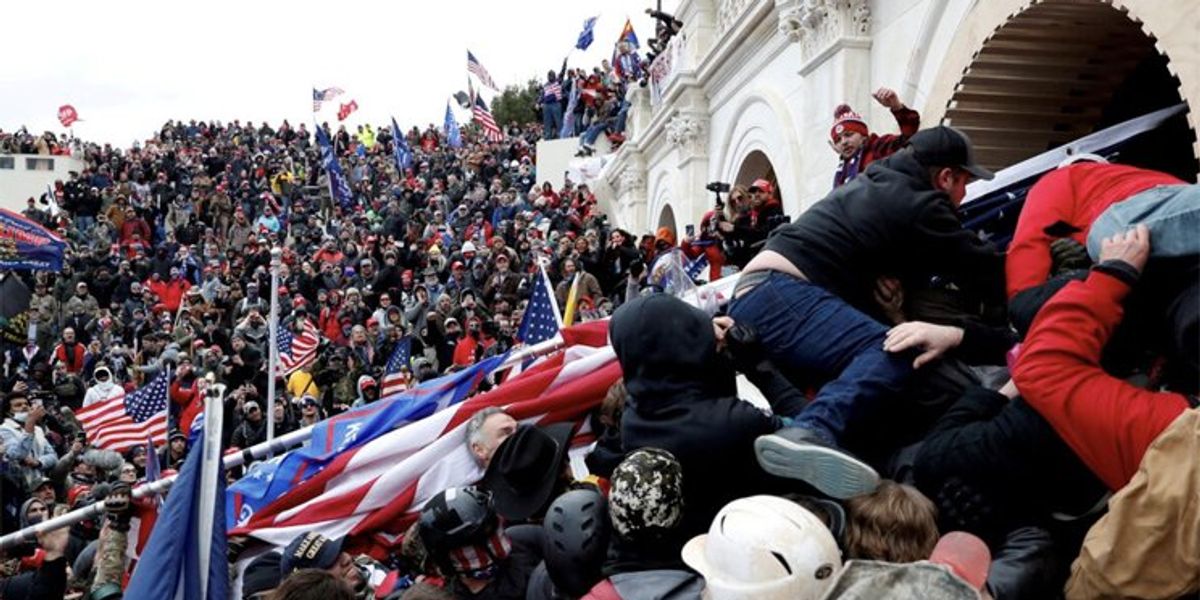
Dan Wilson, a Kentucky resident who was previously charged and later pardoned for his involvement in the Capitol riot on January 6, has now received a second pardon for separate felony gun charges. His legal team praised President Donald Trump for this "act of mercy," emphasizing Wilson's relief at being reunited with his family after over seven months of imprisonment. The latest pardon not only grants Wilson his freedom but also highlights concerns about governmental overreach that have fueled division in the country.
Following his guilty plea to a felony conspiracy charge related to the Capitol riot, Wilson was sentenced to five years in prison and ordered to pay $2,000 in restitution. Investigators discovered his ties to various right-wing militias, including the Gray Ghost Partisan Rangers and the Oath Keepers. Despite receiving a pardon from Trump on his first day in office, Wilson remained incarcerated due to additional felony gun charges resulting from a raid on his home linked to the riot.
On Friday, Trump issued Wilson a second pardon, setting a precedent that has since been applied to other January 6 defendants facing unrelated criminal charges. One such example is Jeremy Brown, a fellow Oath Keepers member involved in the riot, who was released from a seven-year prison term after the Justice Department successfully argued that his pardon covered charges of illegal possession of grenades.
In conclusion, Dan Wilson's second pardon for felony gun charges, following his initial pardon for his role in the Capitol riot, underscores the ongoing legal complexities surrounding the January 6 events and the subsequent legal actions taken against individuals involved. The pardons granted by President Trump have sparked discussions about justice, mercy, and the broader implications for those facing criminal charges in connection to the riot.