First Human Case of H5N5 Bird Flu Detected in Grays Harbor County, Washington
A Grays Harbor County resident has tested positive for a type of bird flu that has never been detected in humans before, according to state health officials. The virus, identified as H5N5, is a type of bird flu that has previously only been reported in animals. The risk to the public is considered low, and health officials emphasized that the investigation and public health response remain unchanged.
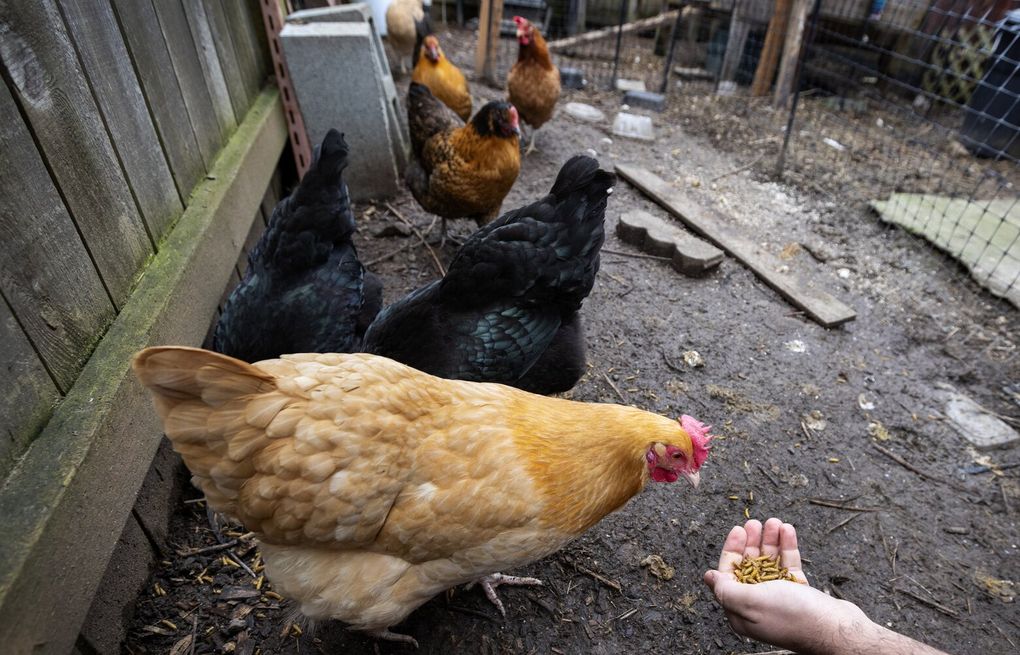
The infected individual, an older adult with underlying health conditions, was hospitalized in early November with symptoms including a high fever, confusion, and respiratory distress. They are currently receiving treatment at a King County hospital and are in severe condition. The patient likely contracted the virus through exposure to domestic or wild birds, as they have a mixed backyard flock of poultry that was in contact with wild birds.
This case marks the first human infection of bird flu in Washington this year and the first in the country in at least eight months. Health agencies and hospitals have been monitoring individuals who were in contact with the patient for symptoms of influenza, but no additional cases have been identified as of now. The public health investigation is ongoing, and precautions are being taken to prevent further spread of the virus.
Since the outbreak began in 2022, Washington has reported a total of 15 confirmed or probable cases of highly pathogenic avian influenza. The virus has been detected in wild birds, commercial poultry farms, and backyard flocks across the state. Health officials advise people who work with or have recreational contact with infected birds or cattle to wear personal protective equipment and avoid contact with sick or dead birds.
It is crucial for individuals to report any illness in birds or wildlife to the appropriate authorities and to avoid consuming raw or undercooked food, including raw milk. Health experts recommend getting a seasonal flu vaccine to reduce the risk of contracting both human and bird flu simultaneously. While the likelihood of this scenario is low, it is important to take precautions to prevent the emergence of new strains of the virus.