U.S. Military Strikes on Drug-Trafficking Boats in the Caribbean: Legal Concerns and Political Ramifications
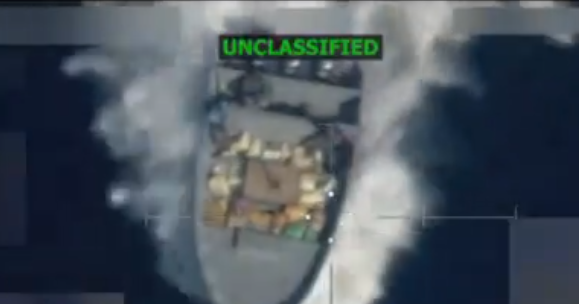
The U.S. military recently carried out a strike on a suspected drug-trafficking boat in the Caribbean Sea, resulting in the deaths of four individuals. This operation is part of a broader anti-drug offensive that has seen U.S. forces destroy around 20 vessels and kill approximately 80 people since September. Despite limited details on these strikes, Defense Secretary Pete Hegseth has referred to the targets as "narco-terrorists" operating on known drug trafficking routes.
The Pentagon has not disclosed specific information about the recent strike or the evidence linking the targeted vessels to drug smuggling. Some experts have raised concerns about the legality of these operations, suggesting they may violate international law, particularly if they result in extrajudicial killings. U.N. human rights chief Volker Türk has called for an investigation into the legality of the strikes.
The U.S. military presence in the region has been escalating, with the nuclear-powered aircraft carrier USS Gerald Ford and other warships entering the Southern Command's area of responsibility, which includes the Caribbean. President Trump has been presented with updated options for potential operations in Venezuela, including potential strikes on land, although no final decision has been made. Venezuela, in response, has launched a large-scale military exercise involving around 200,000 forces.
There is speculation that the increased U.S. military pressure in the region is aimed at ousting Venezuelan President Nicolas Maduro from office. President Trump has accused Maduro of collaborating with criminal gangs involved in drug smuggling, a claim that Maduro has denied. In a recent interview, President Trump suggested that Maduro's days in power may be numbered.
Colombia's President Gustavo Petro has ordered a halt to intelligence sharing with the U.S. in response to the missile attacks on boats in the Caribbean. This directive will remain in effect as long as the attacks continue. The situation in the region remains tense, with ongoing military activities and political tensions shaping the landscape.