Health Care Subsidies Negotiations: The Battle Over Affordable Care Act Credits
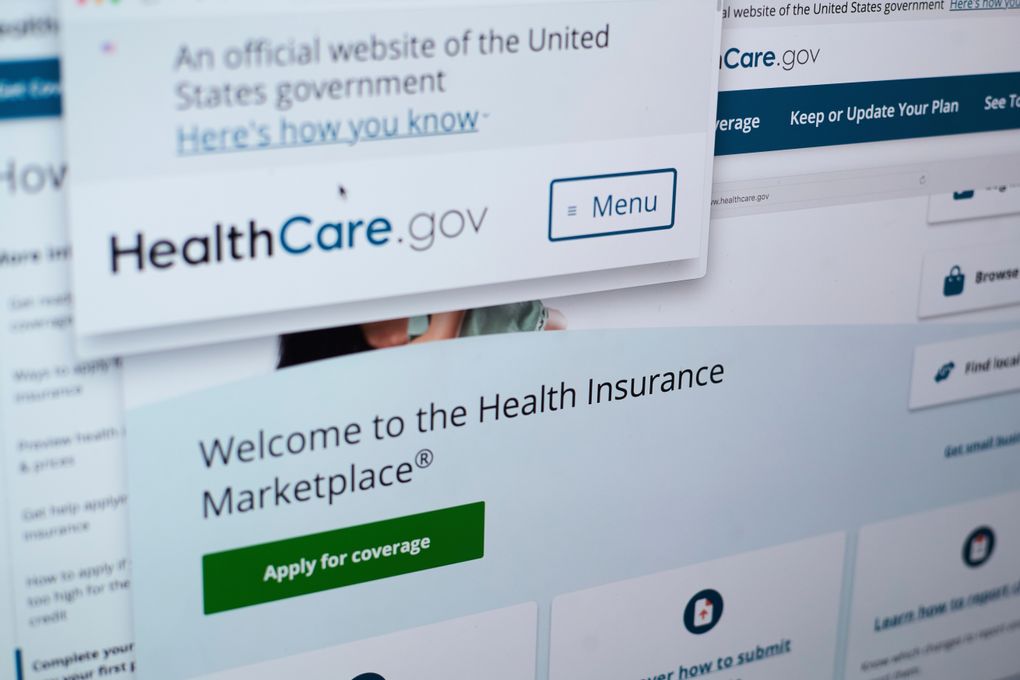
Following the recent government shutdown, House and Senate Republicans are now engaging in negotiations with Democrats regarding the extension of COVID-era tax credits that assist many Americans in affording their health care premiums. The fate of these subsidies, set to expire at the end of the year, hangs in the balance as bipartisan agreement remains uncertain. While some Republicans advocate for the extension of the Affordable Care Act subsidies with modifications to prevent premium hikes, others, including House Speaker Mike Johnson and President Donald Trump, are in favor of letting the credits lapse.
The Democrats, who pushed for the government shutdown to prompt negotiations on extending the subsidies before premium increases, are disappointed with the current outcome. Despite the reopening of the government, they are determined to continue their efforts as the expiration deadline looms closer. The deep ideological and political divides surrounding health care policy have historically made it a challenging issue on Capitol Hill, with the Affordable Care Act being a contentious topic for over a decade.
While Republicans have committed to negotiations and a Senate vote on the tax credits, Democrats remain cautious. The possibility of as many as 24 million individuals facing premium hikes if an agreement is not reached adds urgency to the discussions. Democrats are hopeful for bipartisan support in extending the tax credits, even if a permanent extension seems unlikely. Senate Democrats proposed a one-year extension, while House Democrats suggested a three-year extension, emphasizing the need for cooperation to address Republican demands for changes to the ACA.
The Republican efforts to overhaul the Affordable Care Act have faced obstacles in the past, with challenges in formulating a replacement plan. Some Republican senators have proposed redirecting funds directly to individuals instead of insurance companies, echoing President Trump's sentiments. However, the logistics of such a change and the negotiation process involved in scrapping the current law pose significant hurdles. The possibility of using budget maneuvers to pass legislation without Democratic support remains an option for Republicans if consensus cannot be reached.
As the deadline for the subsidies extension approaches, the urgency to find a solution is mounting. House Democrats, including moderate Republicans, are advocating for negotiations to prevent potential disruptions in health care coverage. The looming possibility of another government shutdown if concessions are not made on health care underscores the importance of reaching a bipartisan agreement. The coming weeks will be crucial in determining the fate of the Affordable Care Act subsidies and the future of health care policy in the United States.