Air Travel Disruptions Escalate Amid Government Shutdown: Impact on Air Traffic Controllers and Travelers
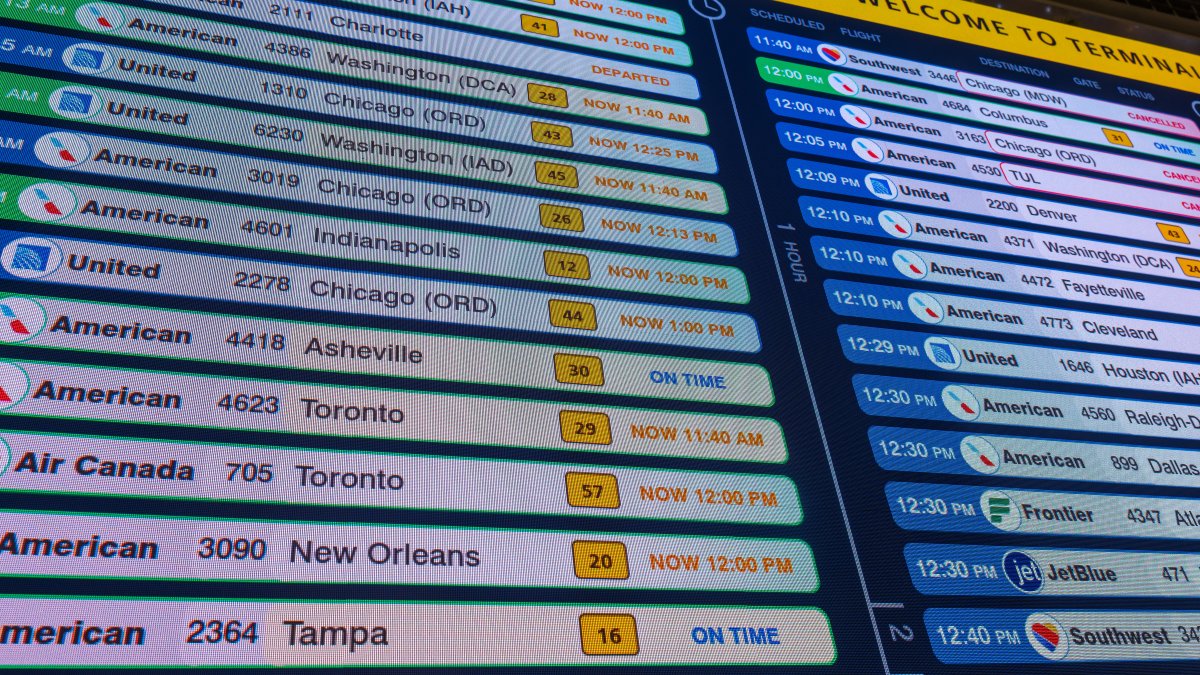
Air travel disruptions are expected to worsen this week, even if the government shutdown ends, as the Federal Aviation Administration (FAA) implements deeper cuts to flights at 40 major U.S. airports. Following a weekend with thousands of canceled flights, airlines have scrapped additional flights for Monday and Tuesday, with some air traffic controllers citing stress and financial concerns as reasons for not showing up for work. Delays at airports like Chicago O’Hare and Las Vegas have been significant, prompting the FAA to warn of staffing issues at multiple control centers across the country.
President Donald Trump has urged air traffic controllers to return to work immediately, proposing bonuses for those who have continued working and pay deductions for those who haven't. The controllers' union has criticized the use of controllers as a "political pawn" in the shutdown dispute. The Senate has taken steps to reopen the government, but flight cuts will persist until safety metrics improve, according to Transportation Secretary Sean Duffy.
The FAA has ordered airlines to reduce flights at major airports, leading to a growing number of cancellations and disruptions. Travelers are expressing frustration over the unnecessary consequences of the situation, with flight cancellations affecting millions of Americans. The shutdown has heightened stress for air traffic controllers, leading to fatigue and safety concerns, as some controllers struggle to make ends meet due to financial constraints.
As the shutdown continues, air traffic controllers and FAA employees face a second missed payday, with uncertainty about when they will receive back pay once the shutdown ends. The financial strain has become a common topic of discussion for many controllers and their families, but despite the challenges, controllers remain dedicated to their jobs. The shutdown has exacerbated the existing shortage of air traffic controllers, with concerns that prolonged shutdown could severely impact air travel in the coming months.
The ongoing government shutdown has created a ripple effect in the aviation industry, with air travel disruptions intensifying and causing widespread frustration among travelers and aviation professionals. The situation highlights the critical role of air traffic controllers and the challenges they face amid the shutdown.