Ahmad al-Sharaa: From Former Al Qaeda Militant to Syrian President - A Diplomatic Journey
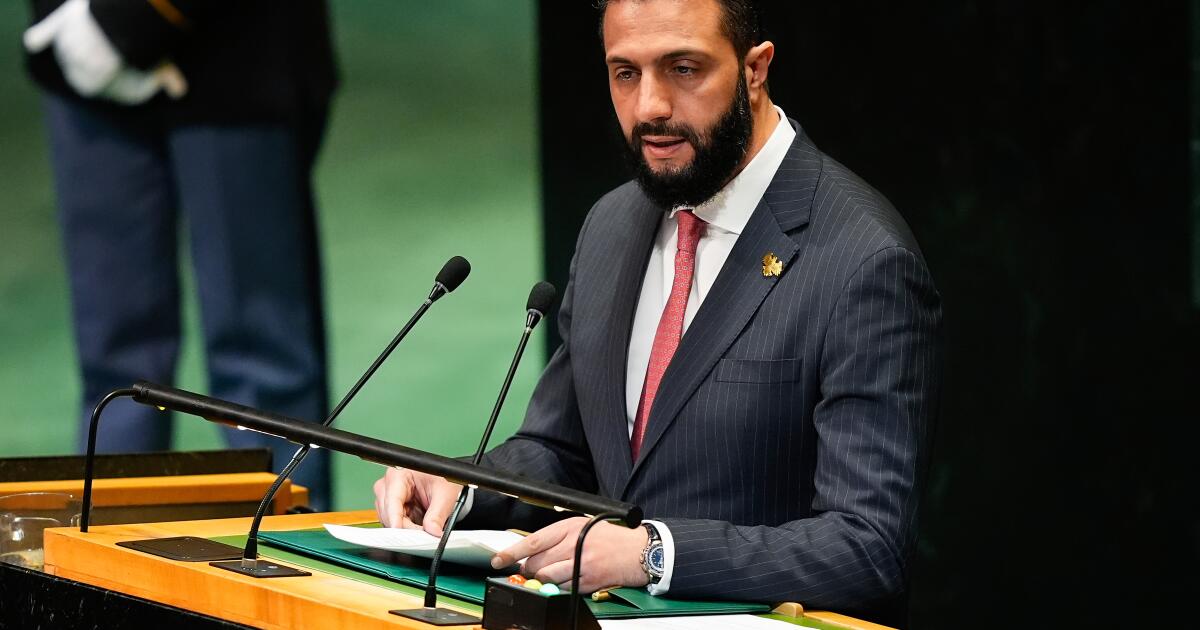
Ahmad al-Sharaa, a former Al Qaeda militant who was once detained by the U.S. in Iraq, has made a surprising transformation as the current Syrian president. Following his rebel forces' ousting of former President Bashar Assad, Al-Sharaa has embarked on a successful diplomatic campaign to mend ties with countries that had previously shunned Syria. His recent meeting with President Trump in Saudi Arabia led to the lifting of long-standing sanctions, and they are set to meet again in Washington, where Syria is expected to join the U.S.-led coalition against the Islamic State.
During his visit to Washington, Al-Sharaa aims to advocate for the removal of remaining sanctions, particularly the Caesar Act, which imposed severe sanctions on Syria for human rights abuses. While the Caesar sanctions are currently waived, a permanent repeal would require congressional approval. Despite some reservations from U.S. lawmakers, progress has been made in lifting sanctions on Al-Sharaa and his interior minister, signaling a potential shift in U.S.-Syria relations.
Efforts to fully repeal the Caesar Act have garnered support from various groups, including religious leaders calling for action against the persecution of minorities in Syria. Al-Sharaa's promise to hold perpetrators accountable for sectarian violence has been met with skepticism, but there are ongoing negotiations for potential security agreements between Syria and neighboring countries like Israel. The push for a full repeal of the Caesar Act reflects a changing dynamic in the Middle East, with opportunities for rebuilding and cooperation emerging.
As Syria looks to join the coalition against the Islamic State, the formal agreement would mark a significant milestone in the fight against extremism. While Syrian forces have been combating Islamic State cells, formal entry into the coalition would enhance coordination with U.S. forces. Despite ongoing challenges and tensions within Syria, the prospect of closer cooperation in the fight against terrorism signals a potential shift towards stability in the region.
In conclusion, Ahmad al-Sharaa's journey from a former Al Qaeda militant to the Syrian president visiting Washington highlights the complexities of diplomacy and conflict resolution in the Middle East. As Syria navigates its post-Assad era, the lifting of sanctions and potential coalition membership signify a new chapter in regional cooperation. The ongoing discussions and negotiations surrounding the Caesar Act repeal underscore the delicate balance between accountability for past atrocities and the need for international engagement in rebuilding Syria.