Advancing Alzheimer's Prevention: A Look at Early-Onset Clinical Trials and Hope for the Future
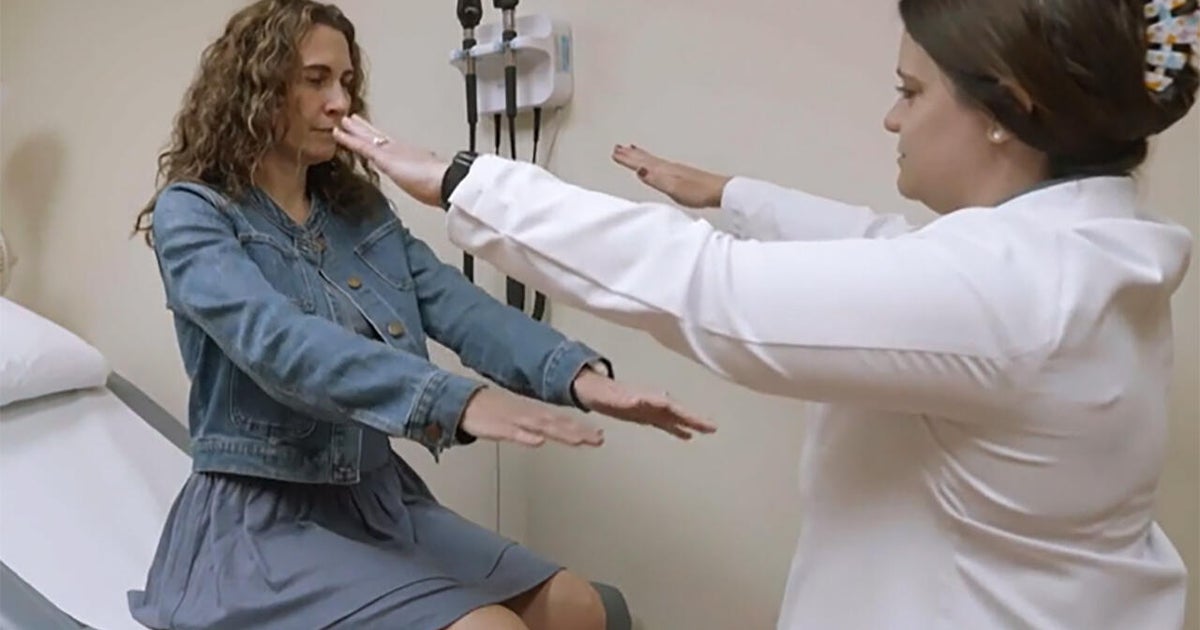
Carrie Richardson, a 44-year-old woman, was diagnosed with early-onset Alzheimer's disease at the age of 41 due to rare genetic mutations. Her mother, Mary Salter, has experienced the devastating impact of the disease in her family, losing seven members, including her son Bryan. Carrie, Mary, and Carrie's daughter Hannah are participating in clinical trials at Washington University School of Medicine in St. Louis to help advance Alzheimer's prevention research. Dr. Randy Bateman, leading the trials, is optimistic about the potential to change the course of the disease by treating mild Alzheimer's with medication that removes amyloid plaques, slowing cognitive decline.
The clinical trials aim to study the effects of early treatment before Alzheimer's symptoms appear, emphasizing the importance of timing in preventing the disease. Individuals with early-onset Alzheimer's typically exhibit symptoms around the same age within a family, providing researchers with insights on when to initiate treatment. While these rare genetic mutations account for less than one percent of Alzheimer's cases, the lessons learned from the trials may have broader implications for treatment strategies. Jake Heinrichs, who carries one of the early-onset genes, has been participating in the study since 2013 and has shown promising results with treatment, offering hope for delaying the onset of the disease.
Despite the progress in Alzheimer's research, funding uncertainties pose a threat to ongoing studies and potential breakthroughs. Philanthropist Bill Gates has invested over $300 million in Alzheimer's research and is advocating for increased collaboration between industry and government to address the disease. Gates, whose father had Alzheimer's, is committed to supporting research efforts to improve early diagnosis, treatment, and patient enrollment in trials. He sees artificial intelligence playing a significant role in accelerating research progress by analyzing complex brain data more efficiently.
The clinical trials for early-onset Alzheimer's are expected to continue for at least another five years, involving hundreds of participants worldwide. If successful, these trials could pave the way for routine screening for Alzheimer's using a simple blood test, similar to current practices for other health conditions. Dr. Bateman emphasizes the importance of ongoing research to explore potential treatments targeting various factors contributing to Alzheimer's, such as amyloid plaques, brain inflammation, and tau protein. The goal is to provide individuals with years of dementia-free life through effective preventive measures.
Jake Heinrichs, a participant in the clinical trials, undergoes regular monitoring to assess his brain function and potentially alter his genetic predisposition to Alzheimer's. His journey offers hope for a future where Alzheimer's is no longer a feared condition, inspiring optimism and belief in the power of scientific advancements. The resilience and determination of individuals like Jake and their families highlight the importance of research in combating Alzheimer's and improving outcomes for future generations.