Title: "Navigating the Rising Tide: China's Naval Power and the U.S. Response in the Indo-Pacific
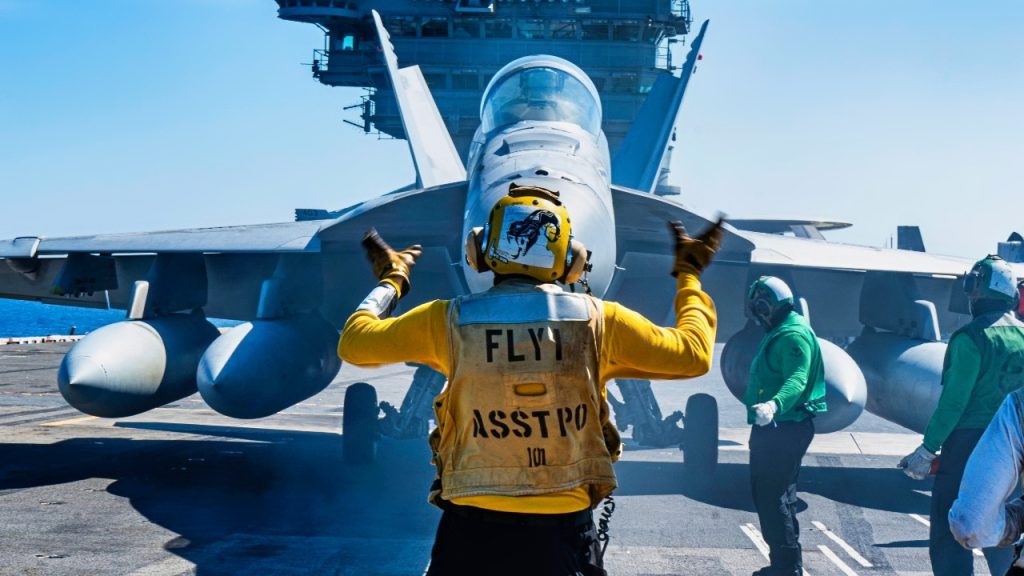
China's growing naval power, including its aircraft carriers and carrier-killing missiles, poses a significant threat to U.S. aircraft carriers in the Indo-Pacific region. The Chinese People's Liberation Army Navy (PLAN) has been bolstered by the addition of three aircraft carriers, with a fourth nuclear-powered carrier on the way. This has boosted China's confidence in challenging the U.S. Navy and asserting dominance in the region. The PLAN's carrier strike groups, equipped with advanced carrier-borne fighters and escort vessels, are seen as a formidable force capable of engaging American carriers.
Chinese Rear Admiral Luo Yuan has boldly claimed that the PLAN could easily destroy two U.S. Navy aircraft carriers, highlighting the potential political and strategic implications of such an attack. The loss of even one American carrier could have significant repercussions, prompting questions about U.S. resolve and strategy in the region. The threat of casualties and the public's aversion to combat losses further complicate the situation. The U.S. Navy's response to China's growing naval capabilities includes layered defenses, advanced aircraft, and emerging technologies like shipboard lasers.
The evolving dynamics in the Indo-Pacific region underscore the importance of deterrence and preparedness for potential conflicts. China's military assertiveness, coupled with its growing naval capabilities, presents a complex challenge for U.S. defense planners. The need for resilient forces, longer-range kill chains, and realistic worst-case scenario planning is crucial to maintaining deterrence against potential threats. As tensions persist in the region, the U.S. Navy must remain vigilant and adapt to the changing security landscape to safeguard its interests and allies.
In conclusion, the escalating competition between China and the United States in the Indo-Pacific region underscores the need for strategic foresight and preparedness. The evolving military capabilities of both countries, particularly in the maritime domain, highlight the importance of maintaining deterrence and readiness. As China's naval power continues to grow, the U.S. Navy must remain agile and innovative to counter emerging threats and protect its strategic interests in the region. Effective deterrence strategies, coupled with robust defense capabilities, are essential to safeguarding stability and security in the Indo-Pacific.