Senate War Powers Resolution Aims to Limit President's Strikes in Venezuela
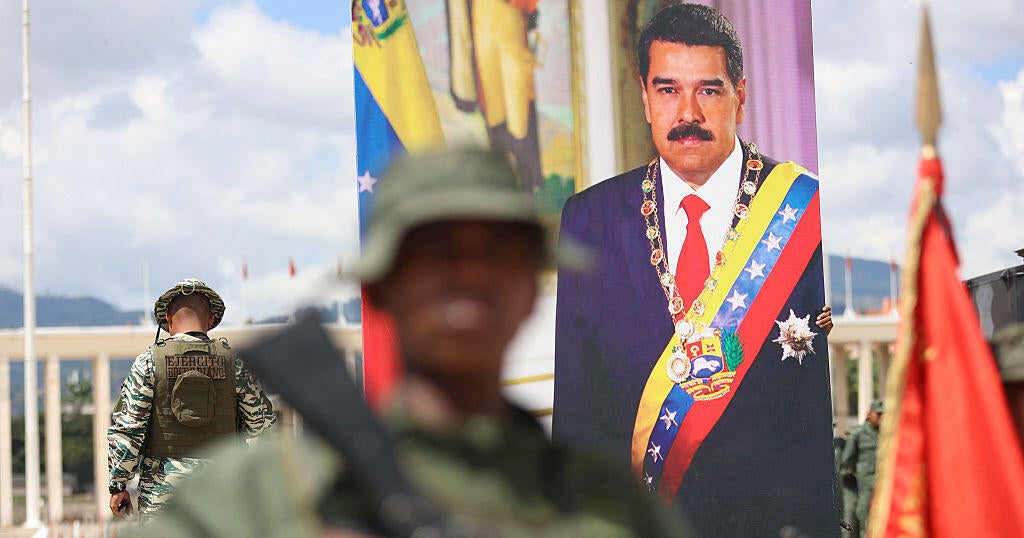
The Senate is set to address a war powers resolution on Thursday to prevent President Trump from conducting strikes against Venezuela. Led by Democratic Sen. Tim Kaine, the resolution aims to limit the president's ability to use U.S. Armed Forces in hostilities within or against Venezuela without explicit authorization from Congress. The bipartisan resolution has garnered support from 15 cosponsors, including Democratic Sen. Adam Schiff and Republican Sen. Rand Paul. The vote is scheduled for 5 p.m.
The U.S. military has been increasing its presence in waters off South America and has carried out multiple strikes on suspected drug-trafficking boats in the Caribbean Sea and eastern Pacific, resulting in casualties. Kaine introduced the resolution following Mr. Trump's authorization of covert operations in Venezuela to combat drug smuggling. Lawmakers from both parties have raised concerns about the legal basis and intelligence behind the strikes.
Democrats have criticized the administration's briefing on the strikes, citing insufficient legal rationale. While acknowledging the capabilities of the U.S. intelligence community, lawmakers have emphasized the need for proper interception and legal procedures in dealing with alleged drug traffickers. Kaine's resolution calls for the removal of U.S. armed forces from hostilities in Venezuela that lack congressional authorization.
Despite previous attempts being blocked by Senate Republicans, Kaine and Schiff remain committed to pushing for votes on war powers issues. The War Powers Resolution of 1973 mandates consultation with Congress before introducing armed forces into hostilities, unless authorized by Congress. Sen. Paul has expressed concerns about the strikes risking civilian lives and the absence of due process.
In conclusion, the Senate's consideration of the war powers resolution reflects ongoing bipartisan efforts to address the use of military force in Venezuela and uphold congressional oversight in matters of national security. The resolution seeks to ensure that any military actions in the region are conducted with proper authorization and transparency, in line with constitutional principles.