China's Hip-Hop Revolution: From Concert Tourism to Luxury Lifestyle
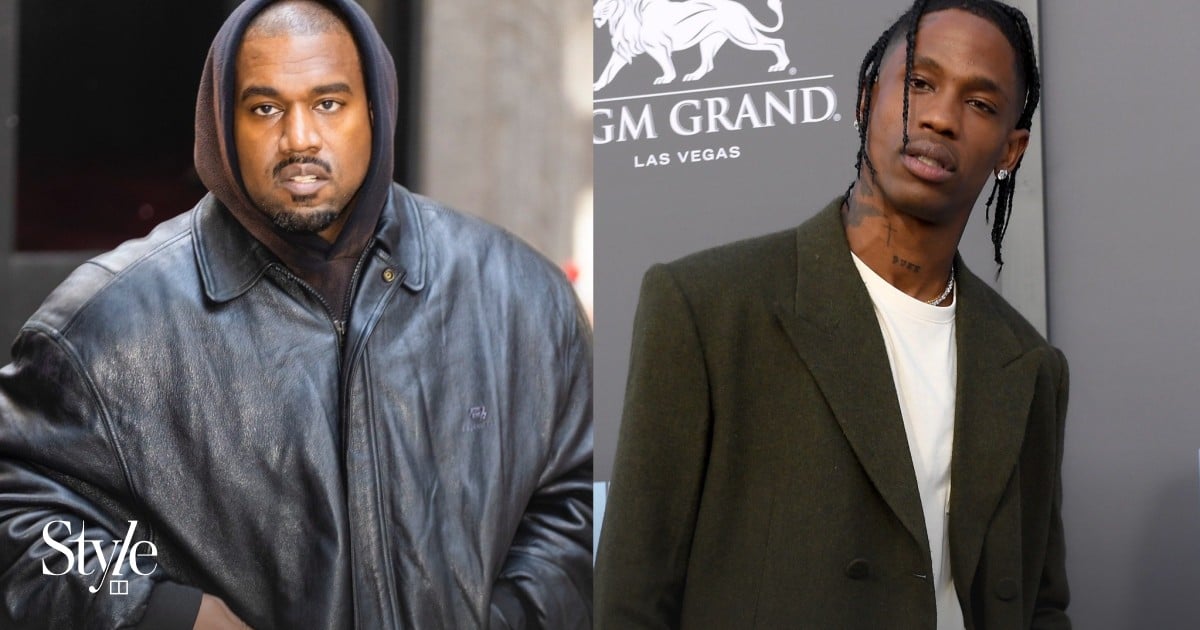
China, often referred to as 'The Chinese Hawaii', recently welcomed artists like Travis Scott and Ye for concerts, signaling a shift in the country's embrace of music genres that were once frowned upon. This move is part of a larger strategy to promote concert tourism as a means to boost spending, especially in the luxury market. The government's plan to transform Hainan into a Free Trade Port has paved the way for high-end retail, art fairs, and luxury events to attract domestic travelers who would otherwise spend abroad.
Ye's concert in 2024 drew nearly 40,000 attendees, leading to a significant increase in hotel occupancy in Haikou. The event generated 748 million yuan in revenue for the port city, with a majority of ticket buyers coming from outside Hainan, including major cities like Shanghai, Guangzhou, and Beijing. The availability of luxury accommodations from renowned hotel brands further enhanced the overall experience for visitors.
These concerts not only provided an economic boost but also highlighted the cultural connection between hip-hop's aspirational image and Hainan's evolving luxury identity. In China, hip-hop music is now perceived as a symbol of success, detached from its original social and political context. This commercialization of hip-hop aligns well with China's thriving fashion market, where luxury brands play a significant role in shaping consumer preferences.
According to music journalist Sowmya Krishnamurthy, hip-hop's appeal in China resonates with the younger generation, particularly Gen Z, who prioritize experiences over material possessions. The genre's influence extends beyond music, impacting various industries such as aesthetics, art, and fashion. Howtry Wu, manager of Chinese rapper Skai Isyourgod, emphasizes the growing significance of hip-hop in Chinese culture, noting its ability to reflect the multifaceted interests of young people and shape their understanding of the world.
In conclusion, China's embrace of hip-hop music through international concerts not only drives economic growth but also reflects a broader cultural shift towards luxury and aspiration among the younger demographic. The fusion of music, fashion, and lifestyle experiences underscores the evolving landscape of entertainment and consumer preferences in China.