The Rise of Dick Cheney: A Political Journey to Power
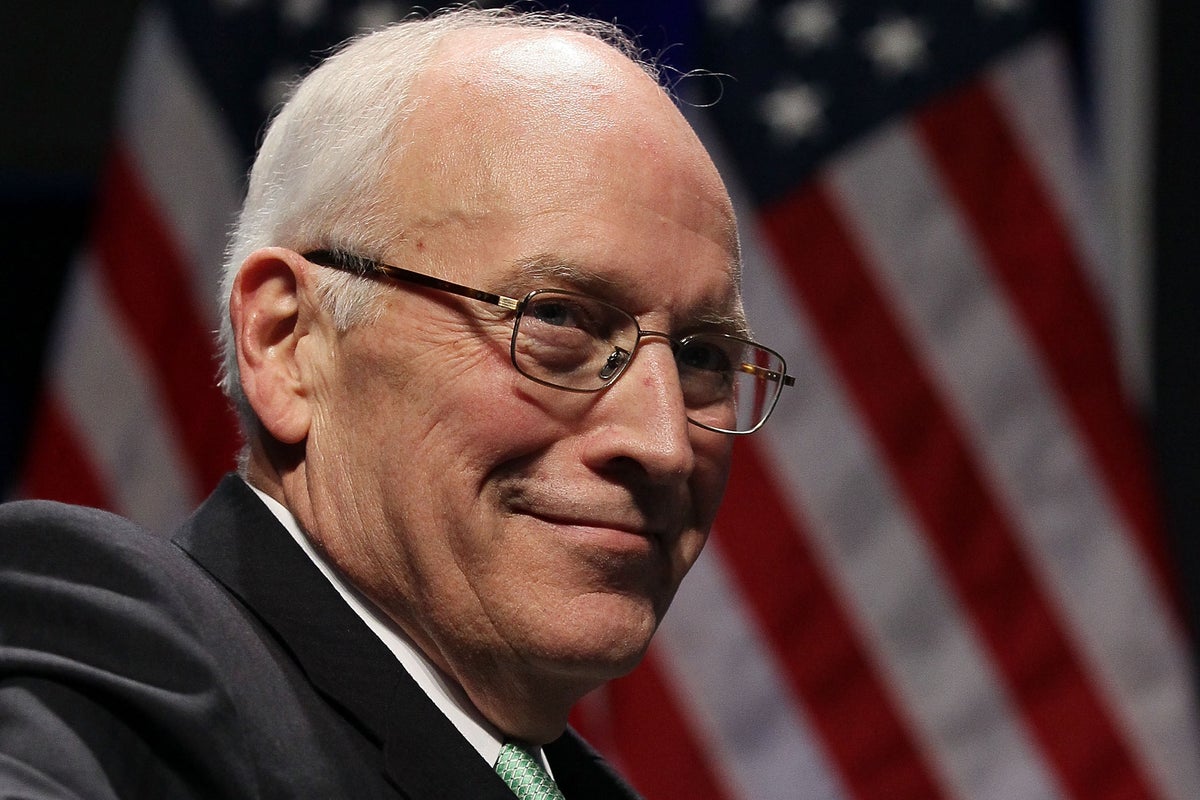
Vice presidents are chosen for various reasons, such as balancing the ticket or reinforcing a candidate's appeal. Dick Cheney, despite not fitting the typical model, became one of the most influential vice presidents in modern U.S. history. Initially seen as a bureaucratic Washington insider, Cheney's selection as George W. Bush's running mate in 2000 was driven by his gravitas, experience, and foreign policy knowledge, qualities that complemented Bush's candidacy.
Cheney's authority and influence as vice president surpassed that of his predecessors, with some considering him almost a co-equal to the president. His role in shaping policy across various government sectors, especially after the 9/11 attacks, solidified his power. Cheney's belief in American strength and the use of force in the war on terror led to controversial decisions, such as supporting the invasion of Iraq and defending practices like torture and domestic wiretapping.
Born in Nebraska and raised in Wyoming, Cheney's early career in politics and government administration paved the way for his eventual rise to power. His partnership with Donald Rumsfeld and his tenure as chief of staff during Gerald Ford's presidency showcased his administrative skills and bureaucratic acumen. Cheney's successful congressional career and leadership roles within the Republican Party set the stage for his eventual appointment as defense secretary under George H.W. Bush.
Cheney's time at the Pentagon during the Gulf War and other military operations highlighted his strategic leadership and organizational abilities. Despite controversies and criticisms, Cheney's tenure at Halliburton, a major oil services company, further solidified his connections and influence within political and business circles. His close ties to the Bush family and the oil industry foreshadowed his return to public service as vice president under George W. Bush.
In conclusion, Dick Cheney's journey from a small-town upbringing to becoming one of the most powerful vice presidents in U.S. history is a testament to his political acumen, strategic thinking, and unwavering commitment to American interests. His legacy, marked by controversial decisions and unwavering support for executive authority, continues to shape discussions on national security, foreign policy, and the role of the vice presidency in American politics.