Dick Cheney: A Political Legacy of Controversy and Conviction
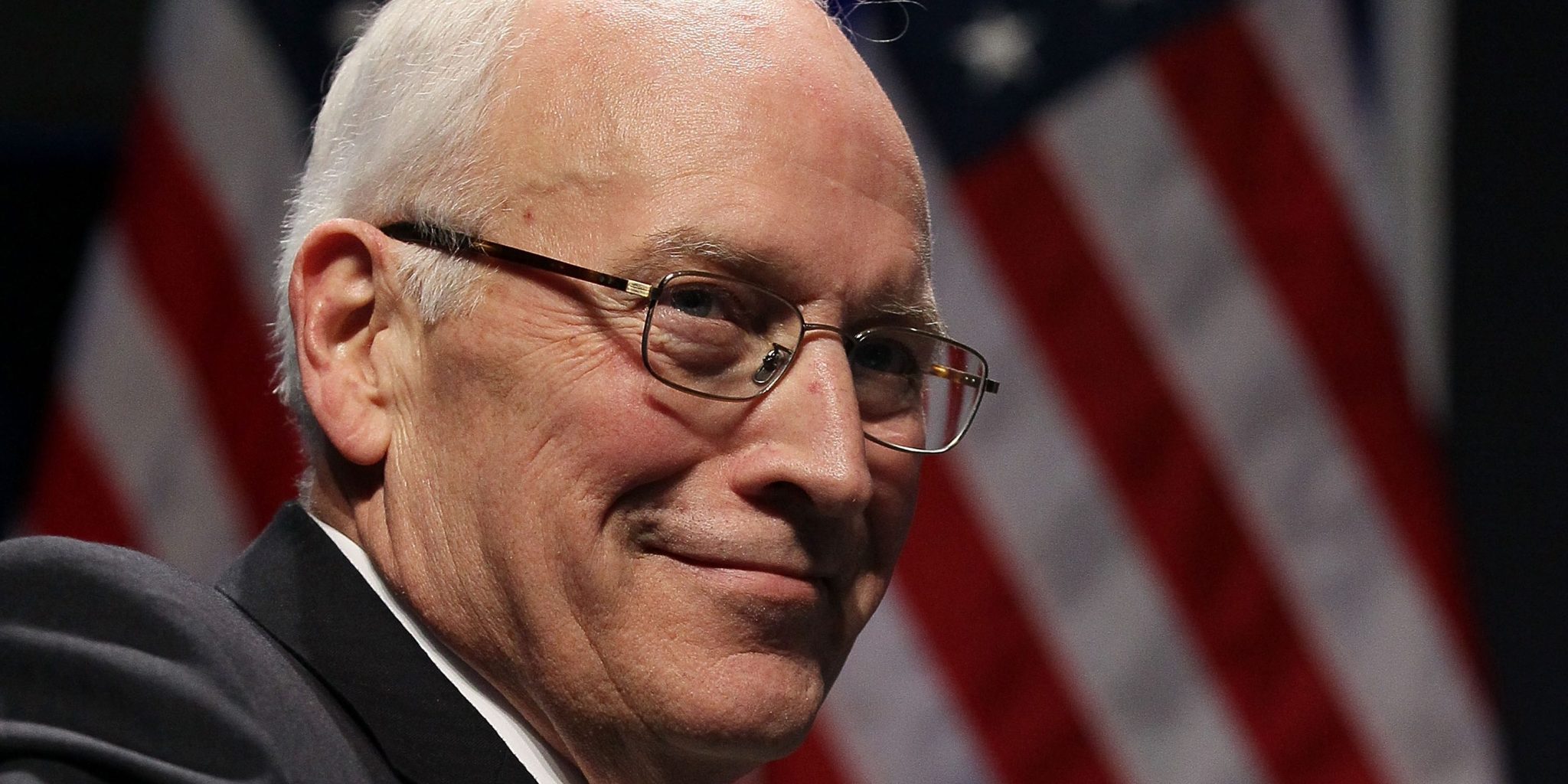
Dick Cheney, a prominent figure in the old Republican Party, redefined the role of vice president during his tenure. Following the events of September 11, 2001, Cheney, along with a group of advisors known as "the Vulcans," implemented controversial policies to combat the perceived threat of terrorism. These policies included preemptive war, domestic surveillance, and harsh interrogation methods, which have been criticized by many.
Despite facing backlash for his decisions, Cheney remained steadfast in his defense of these actions, citing the urgency of the situation post-9/11. His influence extended beyond being a mere advisor to President George W. Bush, as his extensive background in politics and foreign affairs set him apart as a key figure in shaping the administration's policies.
Cheney's involvement in various political scandals, such as the Iran-contra affair, and his tenure as defense secretary under George H.W. Bush, highlighted his deep-rooted connections within the political landscape. His selection as vice president by George W. Bush was a pivotal moment that significantly impacted the administration's foreign policy direction.
Throughout his career, Cheney's public image evolved from a moderate to a staunch defender of conservative values. His stance on issues like same-sex marriage and his public support for his gay daughter showcased a more personal side to his political persona.
However, Cheney's alignment with the Republican Party began to waver during the presidency of Donald Trump. His vocal opposition to Trump's actions and decision to support Democratic nominee Kamala Harris in the 2024 election marked a definitive break from the party he once helped lead.
As Cheney's influence waned and the political landscape shifted, it became evident that the era of politics he had helped shape was coming to an end. His legacy, marked by controversial policies and unwavering convictions, left a lasting impact on American politics.