SNAP Benefits Crisis: How the Government Shutdown is Impacting Low-Income Americans in Illinois
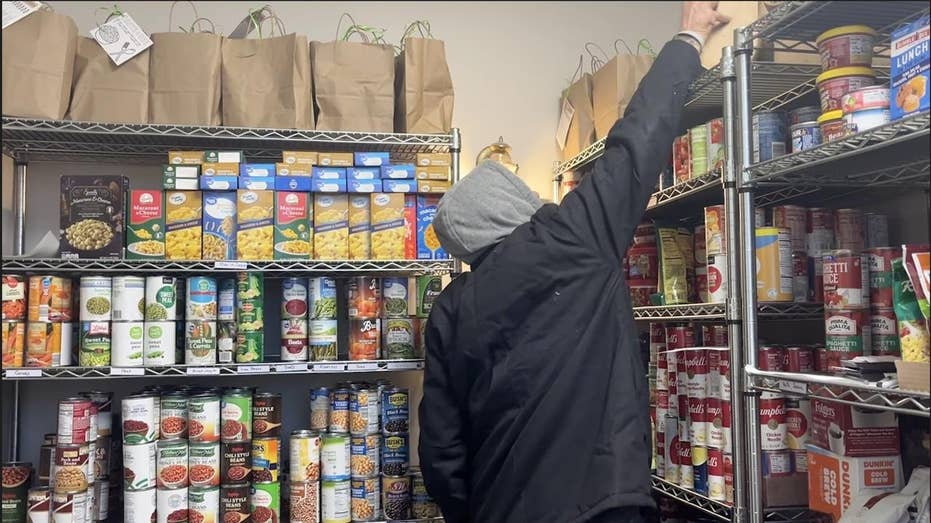
As the federal government enters its second month of shutdown, low-income Americans, including many in Illinois, are facing the potential loss of SNAP benefits, leading to longer food pantry lines and increased uncertainty.
For individuals like Lisa Weaving in Springfield, the threat of losing food aid is not just a political issue but a looming crisis, especially for those with health challenges and limited income.
Weaving highlighted the struggles faced by residents in her apartment building, including veterans, seniors, and individuals on disability, who are unsure of where they will get their next meal from as food resources dwindle.
With the surge in demand for food assistance in Central Illinois, organizations like the Washington Street Mission are struggling to meet the increased need, with pantries running out of supplies quickly.
Jarid Brown, the director of Washington Street Mission, emphasized the challenges faced by those living in poverty, especially with rising food and utility prices, making it difficult for individuals to break out of the cycle of poverty.
The impact of the shutdown on SNAP benefits has been significant, with many individuals and families facing the prospect of going hungry if the benefits remain frozen.
Weaving expressed concern about the potential increase in crime rates due to food insecurity affecting millions of Americans, including those in Springfield.
Despite the challenges, community organizations like the Washington Street Mission are urging people to support local initiatives by donating food or money to help those in need during this difficult time.
Illinois, along with other states, has taken legal action against the federal government to ensure the continuation of SNAP payments during the shutdown, recognizing the limitations of state programs in filling the gap left by the absence of federal assistance.
In conclusion, the ongoing shutdown has put millions of Americans at risk of losing vital food assistance, highlighting the urgent need for a resolution to reopen the government and address the issues causing this crisis.