Ranked Choice Voting: Fostering Unity and Positivity in the New York City Mayoral Election
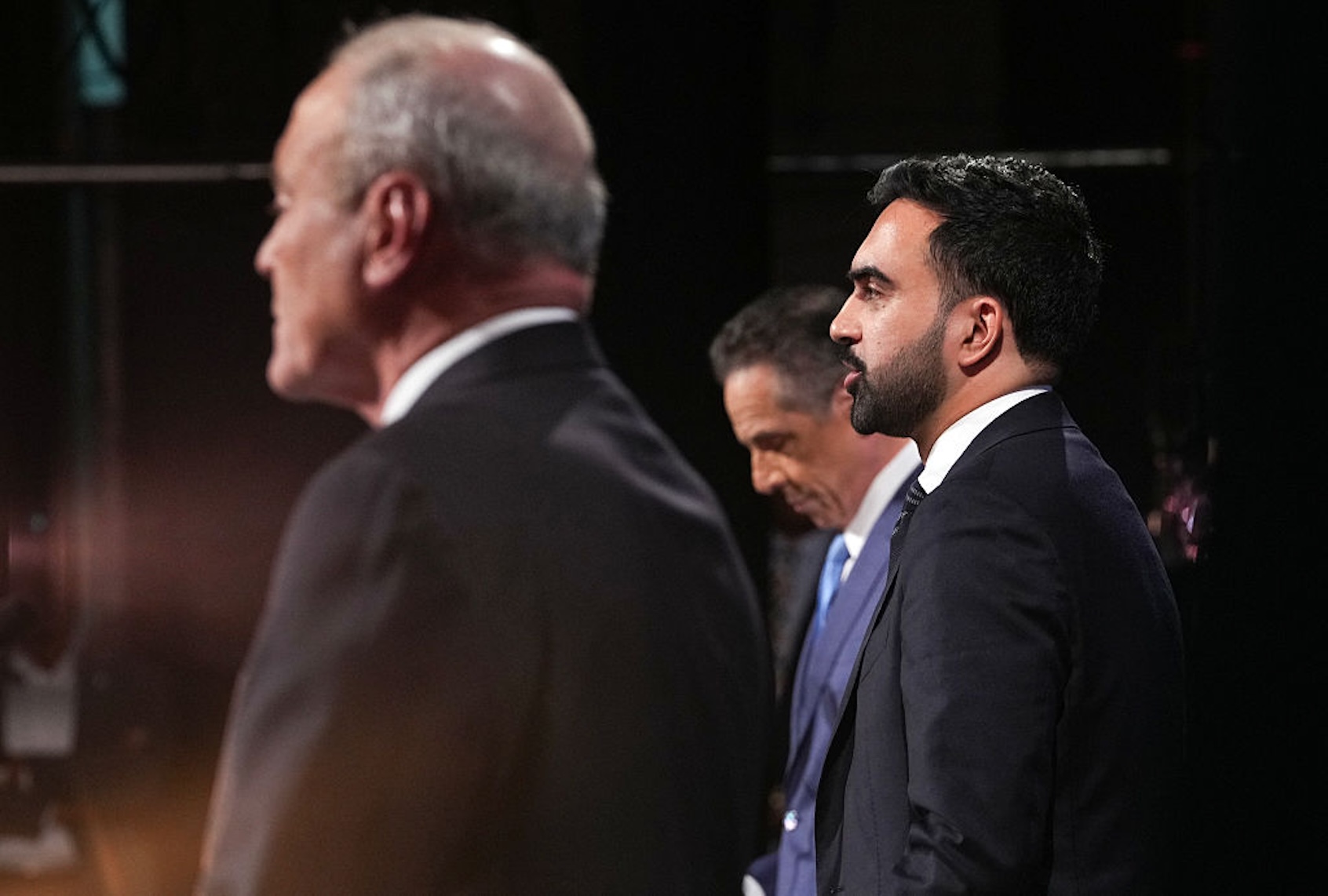
The New York City mayoral election has taken a negative turn, with former Gov. Andrew Cuomo making controversial comments about Democratic nominee Zohran Mamdani. The race has seen instances of political maneuvering, including President Donald Trump allegedly offering an ambassadorship to Mayor Eric Adams to sway him out of the race. The lack of civility in the general election stands in stark contrast to the Democratic primary, which utilized ranked choice voting (RCV) to promote a more positive campaign atmosphere.
In the Democratic primary, candidates like Mamdani and Brad Lander engaged in joint events and cross-endorsed each other, fostering a sense of unity and collaboration. RCV requires candidates to seek a majority of votes, encouraging them to appeal to a broader base and avoid extreme negativity. The primary election ended with Mamdani emerging as the majority winner, showcasing the benefits of RCV in promoting a more constructive electoral process.
However, the general election lacks the same sense of unity and positivity seen in the primary. With three serious contenders in Mamdani, Cuomo, and Sliwa, there are concerns about spoilers and external influences attempting to shape the outcome of the race. The absence of RCV has led to a more hostile campaign environment, with candidates resorting to negative tactics to undermine their opponents.
The current election landscape highlights the importance of RCV in fostering a more inclusive and issue-focused electoral process. RCV allows voters to have more choices and ensures that the winning candidate has majority support. By eliminating the concept of spoilers and encouraging candidates to build each other up, RCV promotes a healthier democracy where candidates focus on policy issues rather than personal attacks.
In contrast to the divisive nature of the current election, RCV offers a more positive and collaborative approach to politics. Candidates can work together, cross-endorse each other, and engage in constructive debates that prioritize issues over personal attacks. The use of RCV in elections can lead to a more inclusive and representative democracy that empowers voters and promotes a more civil political discourse.
In conclusion, the New York City mayoral election serves as a clear example of the benefits of ranked choice voting in promoting a more positive and constructive electoral process. By embracing RCV, voters can have a greater say in the outcome of elections, candidates can focus on policy issues, and democracy can thrive in a more inclusive and collaborative environment.