Israel and Gaza Exchange Remains: Ceasefire Progress and Challenges
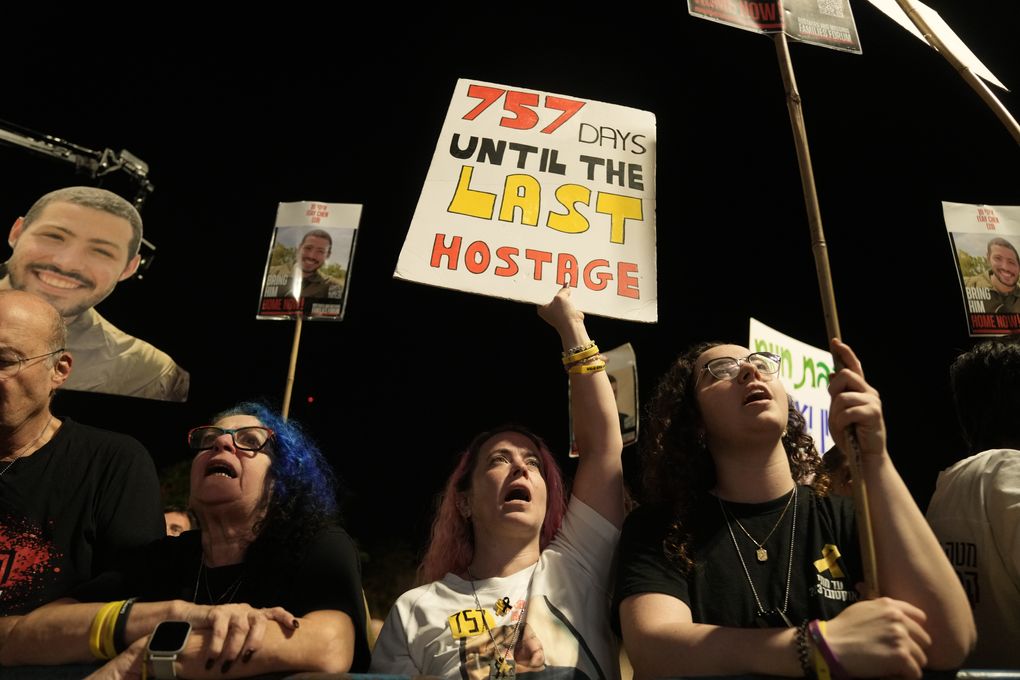
Israel has announced that the Red Cross has received the remains of three hostages in Gaza and will transfer them to the Israeli military. The remains were discovered in a tunnel in southern Gaza. Since the ceasefire on October 10, Palestinian militants have released the remains of 17 hostages, with 11 still in Gaza. Israel has urged for faster progress in the return of remains, stating that some of the remains may not belong to hostages. Official identification of the remains will be provided to families first.
Israel has been reciprocating by releasing the remains of 15 Palestinians in exchange for the return of the Israeli hostage's remains. Health officials in Gaza have faced challenges in identifying bodies due to the lack of DNA kits. Only 75 out of the 225 Palestinian bodies returned have been identified. The exchange of remains has been a key aspect of the U.S.-brokered ceasefire, with plans for an international stabilization force to secure Gaza's borders and ensure the ceasefire is upheld.
The conflict between Israel and Hamas, which began with the 2023 attack by Hamas, resulted in the deaths of about 1,200 people and the taking of 251 hostages. Israel's military offensive in Gaza has led to the deaths of over 68,600 Palestinians, according to Gaza's Health Ministry. The ministry's records are considered reliable by experts, although Israel has disputed the figures. The ceasefire agreement includes discussions on Hamas' disarmament, governance of postwar Gaza, and the provision of humanitarian aid.
In conclusion, the exchange of remains between Israel and Palestinian militants in Gaza has been a significant aspect of the ceasefire agreement. The process of returning remains and identifying bodies has been challenging, with efforts to ensure families receive proper identification first. The ceasefire negotiations also involve discussions on broader issues such as disarmament, governance, and humanitarian aid in postwar Gaza.