Trump's Baseless Claims on Tylenol and Autism: The Impact on Public Health Messaging
As summer came to a close, President Donald Trump teased a White House event on autism, promising a significant announcement. However, the event fell short of expectations as Trump spent an hour making baseless claims about Tylenol, admitting his conclusions were based on his feelings rather than scientific studies. Pediatrician Paul Offit criticized the president's irresponsible press conference, calling it the most dangerous in public health history.
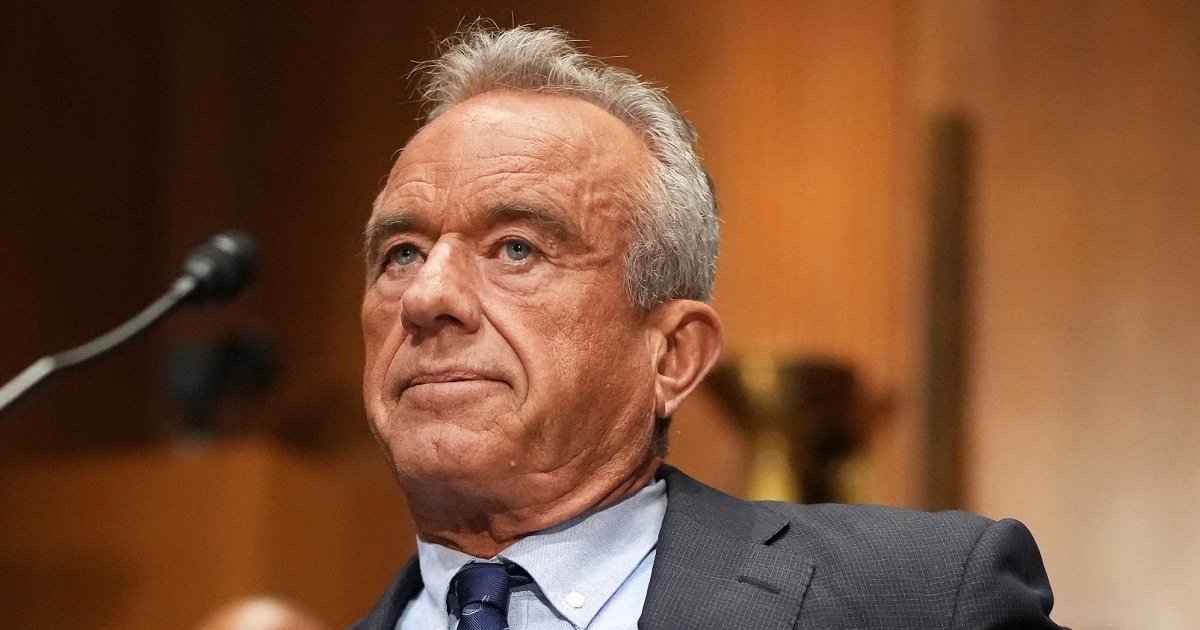
Health Secretary Robert F. Kennedy Jr. also made concerning comments about Tylenol, prompting speculation about Trump's focus on the painkiller. Despite lacking a scientific background, Trump continued to promote anti-Tylenol rhetoric online and during his Asia trip, advising against its use for pregnant women and young children. Texas Attorney General Ken Paxton filed a lawsuit against Tylenol manufacturers based on debunked claims echoed by Trump.
Kennedy later acknowledged the lack of evidence linking Tylenol to vaccines, creating confusion and mistrust among the public. While conceding the insufficiency of proof, he still suggested a connection between the painkiller and autism without scientific support. This conflicting information from government officials contributes to public skepticism towards federal health guidance, highlighting the challenges in establishing trust in public health messaging.