Controversy Surrounding U.S. Military Strikes on South American Vessels
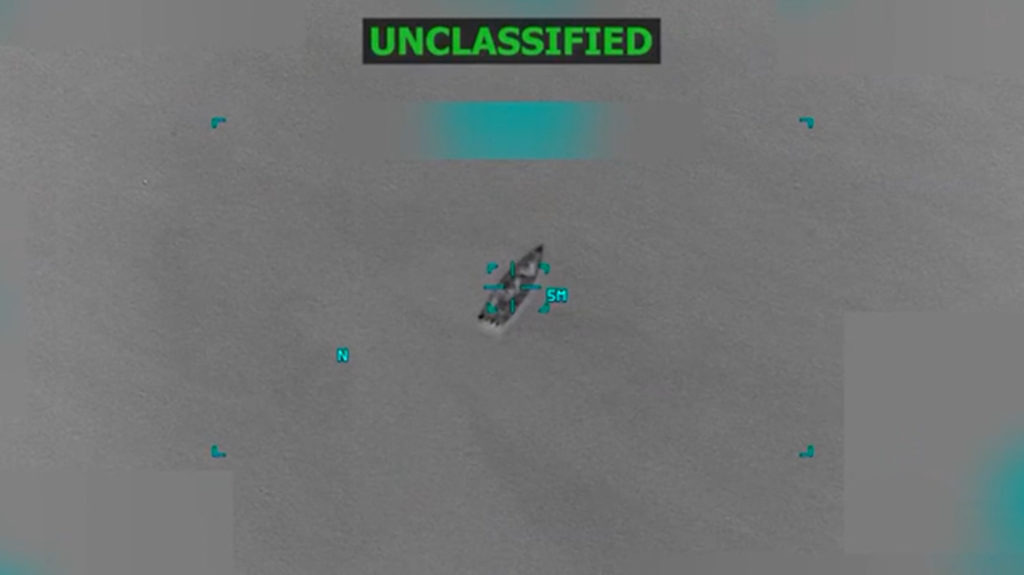
The U.S. military has conducted a series of targeted strikes on small vessels in South America since early September, with the aim of combating drug smuggling. President Donald Trump and Defense Secretary Pete Hegseth have claimed that the boats were involved in narcoterrorism or drug trafficking, but have not provided evidence to support these claims. The strikes have raised legal and ethical concerns, with lawmakers questioning the administration's authority to use lethal force in this manner. Venezuelan President Nicolas Maduro has accused Trump of seeking regime change and denied allegations of drug trafficking.
The U.S. has acknowledged at least 14 strikes against boats suspected of transporting narcotics, resulting in the deaths of more than 60 people. The military operations have targeted vessels in the Caribbean Sea and off the coast of Venezuela. The Trump administration has justified the strikes as part of efforts to counter the drug trade, but critics argue that such actions should be handled by law enforcement rather than the military.
The strikes have drawn international condemnation, with Colombian President Gustavo Petro calling them "an act of tyranny" and questioning the need for lethal force. The U.S. has also faced criticism for excluding Democrats from military briefings on the operation. The escalating conflict has raised concerns about the potential for further violence and instability in the region.
In summary, the U.S. military's targeted strikes on small vessels in South America have sparked controversy and raised questions about the administration's legal authority and evidence for the operations. The escalating conflict has drawn international condemnation and heightened tensions in the region.