The White House's East Wing Demolition: Public Opinion and Controversy
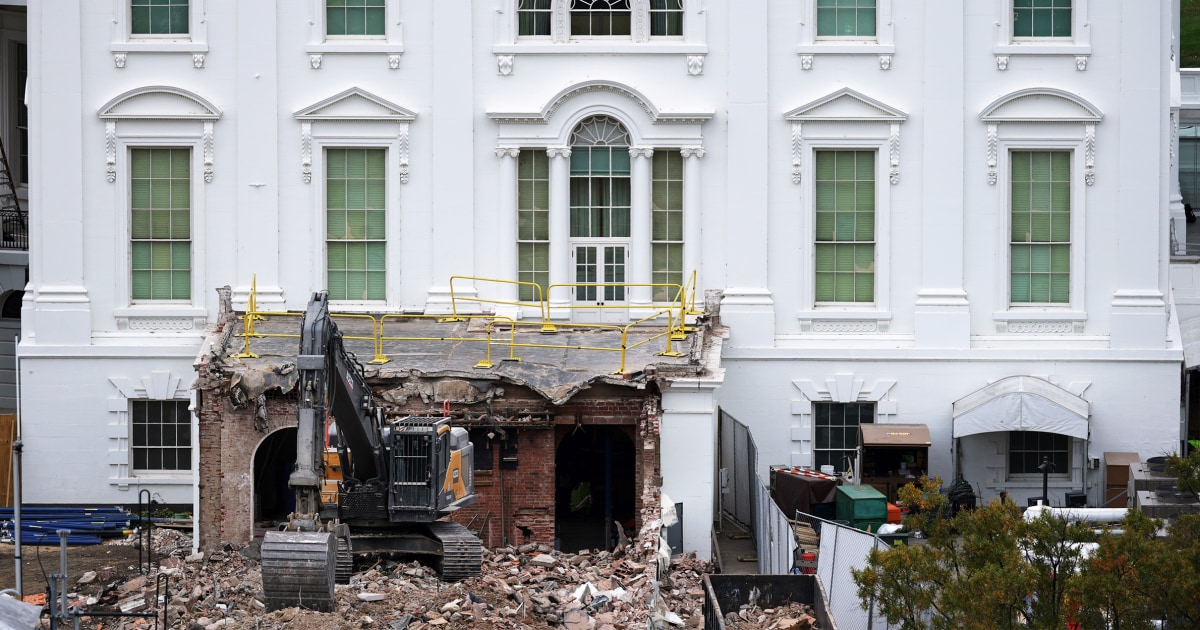
The recent controversy surrounding Donald Trump's demolition of the White House's East Wing has sparked discussions about public opinion on the matter. While some may have initially questioned whether the general public would be interested in this news, recent surveys and anecdotal evidence suggest otherwise. A national survey revealed that 56% of Americans oppose the project, with only 28% in support. This sentiment was echoed in another poll, showing 61% opposition to 25% support. Despite some partisan differences, the overall sentiment indicates a 2-to-1 opposition to the White House's plan.
The reasons behind the public's disapproval vary, but one notable factor is the proposed construction of a new $300 million ballroom on the White House grounds. This extravagant project, funded privately according to Trump, has raised concerns among Americans, especially during a time of economic hardship and inflation. With families facing financial challenges like rising inflation and healthcare costs, the decision to prioritize a lavish ballroom has been met with skepticism.
Despite the public's reservations, the project continues to move forward, with Trump recently dismissing all members of the Commission of Fine Arts, an agency responsible for reviewing the construction. Congressional Democrats are intensifying their scrutiny of the endeavor, seeking clarity on the project's finances and commitments made to contributors. The involvement of companies like Comcast, MSNBC's parent company, adds another layer of complexity to the situation.
As the controversy unfolds, it remains to be seen how the public and lawmakers will respond to the White House's decision. The disconnect between the administration's priorities and the challenges facing everyday Americans has highlighted broader concerns about the direction of the country. The optics of pursuing a costly vanity project amidst economic struggles have not gone unnoticed, and the ongoing investigations and public scrutiny may shed more light on the decision-making process behind the construction.