The Assemblies of God's Sexual Abuse Scandals: A Call for Accountability and Reform
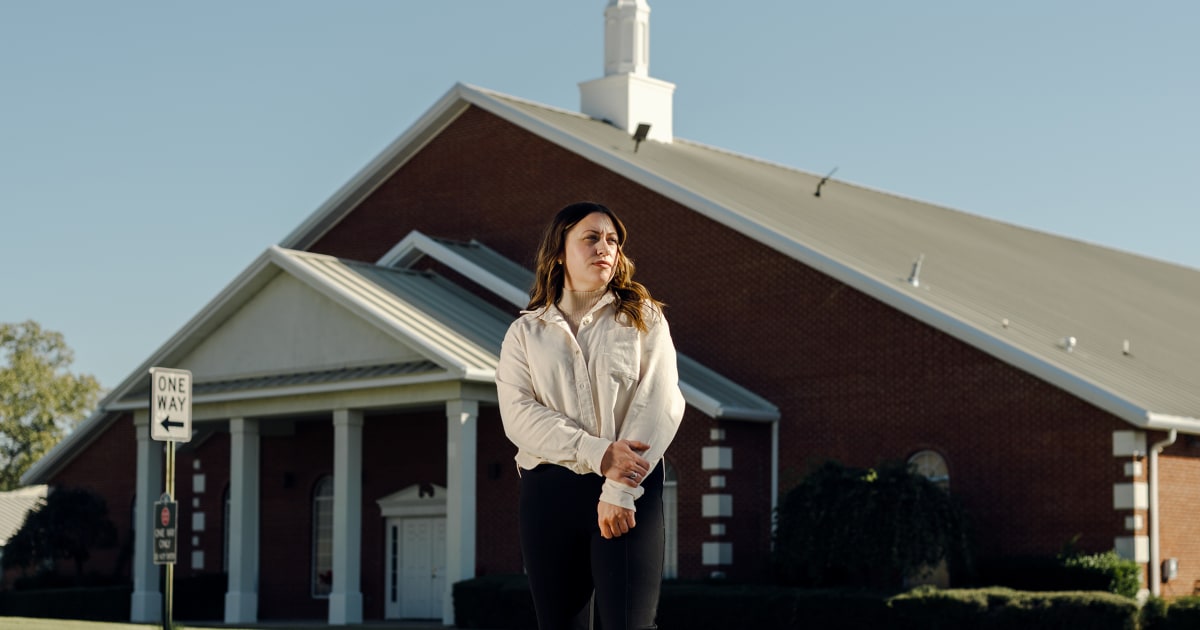
The Assemblies of God, the world's largest Pentecostal denomination, has been embroiled in a series of sex abuse scandals involving pastors and volunteer leaders. Despite numerous allegations of sexual misconduct, the denomination has often reinstated accused individuals, allowing them to continue working with children and youth groups. This lack of accountability has resulted in the abuse of hundreds of individuals, mostly children, over the past 50 years.
Survivors have recounted harrowing experiences of abuse in church settings, at the hands of pastors and leaders who exploited their positions of authority. The Assemblies of God has been criticized for its failure to implement safeguards such as background checks and mandatory reporting, which are now common in other Christian denominations. The denomination's resistance to these measures has been attributed to concerns about legal risks and a commitment to local church autonomy.
Numerous cases have emerged where accused abusers were placed back in positions of authority after being reported, leading to further instances of abuse. In some instances, church leaders allegedly covered up or dismissed reports of misconduct, failing to protect victims and allowing predators to continue their abuse unchecked. Survivors have described feeling silenced and shamed by church leaders who prioritized forgiveness over justice.
Despite calls for action and demands for accountability, the Assemblies of God has been slow to address the issue of sexual abuse within its ranks. While other denominations have implemented comprehensive child safety rules and taken steps to expel churches that shield abusers, the Assemblies of God has resisted making anti-abuse policies mandatory at its 13,000 U.S. churches. This lack of action has left survivors feeling betrayed and abandoned by the church.
The denomination's history of handling sexual abuse cases dates back to the 1970s when it grappled with how to discipline and restore pastors involved in scandals. The emphasis on mercy and restoration often prioritized the redemption of offenders over the protection of victims. Cases like that of Illinois minister Allen Lehmann, who was allowed to continue in ministry despite multiple allegations of abuse, highlight the systemic failures within the Assemblies of God.
The Assemblies of God's program for rehabilitating pastors accused of sexual misconduct has operated in secrecy, with restoration records kept confidential at the national office in Missouri. The process involves pastors stepping away from ministry for a period and undergoing Christian counseling, with the goal of eventual restoration to ministry. However, the lack of transparency and oversight has allowed some offenders to return to positions of authority, leading to further instances of abuse.
Survivors like Stephanie Davis and Courtney Blackburn have spoken out about their experiences of abuse within the Assemblies of God, detailing how their reports were dismissed or ignored by church leaders. The failure to take decisive action against abusers like Tony Waller, who continued to prey on children despite multiple reports of misconduct, underscores the urgent need for accountability and reform within the denomination.
As the Assemblies of God grapples with the fallout of decades of hidden abuse, survivors and advocates are calling for meaningful change to protect children and hold abusers accountable. The denomination's reluctance to implement robust safeguards and address past failures has left many questioning its commitment to justice and the well-being of its members. Only by acknowledging the scope of the problem and taking concrete steps to prevent future abuse can the Assemblies of God begin to rebuild trust and ensure the safety of its congregants.