The Economic Impact of the Ongoing Government Shutdown in the United States
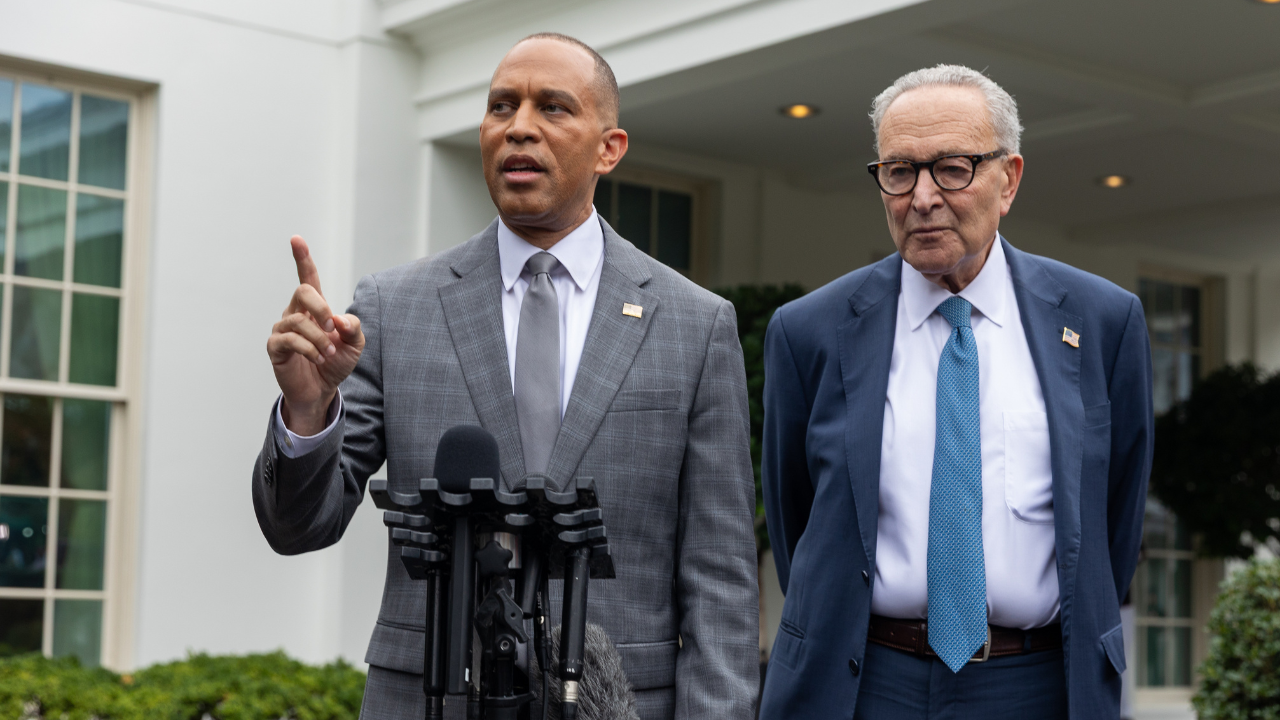
The ongoing government shutdown in the United States could result in a loss of up to $14 billion for the economy, according to a recent analysis by the Congressional Budget Office (CBO). The CBO's projections indicate that the shutdown will have a temporary negative impact on the economy, with a modest permanent hit to the gross domestic product (GDP). As the shutdown enters its 29th day, there is still no resolution in sight between Democrats and Republicans.
House Budget Committee Chairman Jodey Arrington requested the CBO's analysis on the economic impact of the shutdown. The CBO's initial response highlighted the negative effects of the shutdown on the economy, which are expected to worsen with a longer duration. The latest analysis from the CBO examines three scenarios based on different shutdown lengths and their respective impacts on the economy.
The CBO predicts that real GDP will be lower in the fourth quarter of 2025 due to the shutdown, with an estimated reduction in annualized real GDP growth ranging from 1.0 to 2.0 percentage points. While most of the decline in real GDP is expected to be recovered eventually, the CBO estimates that between $7 billion and $14 billion will not be recovered in 2025 dollars.
The ongoing government shutdown has led to a political stalemate, with Democrats and Republicans at odds over funding and policy issues. Democrats have emphasized the need for a bipartisan solution to end the shutdown and address critical healthcare issues, while Republicans have focused on fiscal responsibility and government funding. The current shutdown is the second-longest in history, with the previous record set during President Donald Trump's first term.
The key point of contention in the current shutdown is the extension of Affordable Care Act (ACA) subsidies, which Democrats are pushing for to protect healthcare coverage for millions of Americans. Republican leaders have expressed willingness to discuss extending the subsidies with reforms but are opposed to linking it to a broader funding bill. The GOP-led plan aims to keep the government funded through a continuing resolution (CR) until negotiations on FY 2026 funding can be finalized.
Despite multiple attempts, the CR has failed to pass in the Senate due to the need for bipartisan support to overcome a filibuster. The ongoing shutdown has significant economic implications and underscores the challenges of reaching a consensus on critical policy issues. The impact of the shutdown on the economy and the American people remains a pressing concern as negotiations continue.
In conclusion, the government shutdown poses a significant threat to the U.S. economy, with potential losses of billions of dollars and lasting effects on GDP growth. The political deadlock between Democrats and Republicans has prolonged the shutdown, highlighting the need for bipartisan cooperation to address key policy issues and prevent further economic harm. As the standoff continues, the impact on federal spending, economic growth, and public welfare remains a critical issue that requires urgent resolution.