Therapeutic Activism: Exploring the Emotional Dynamics of the 'No Kings' Protests
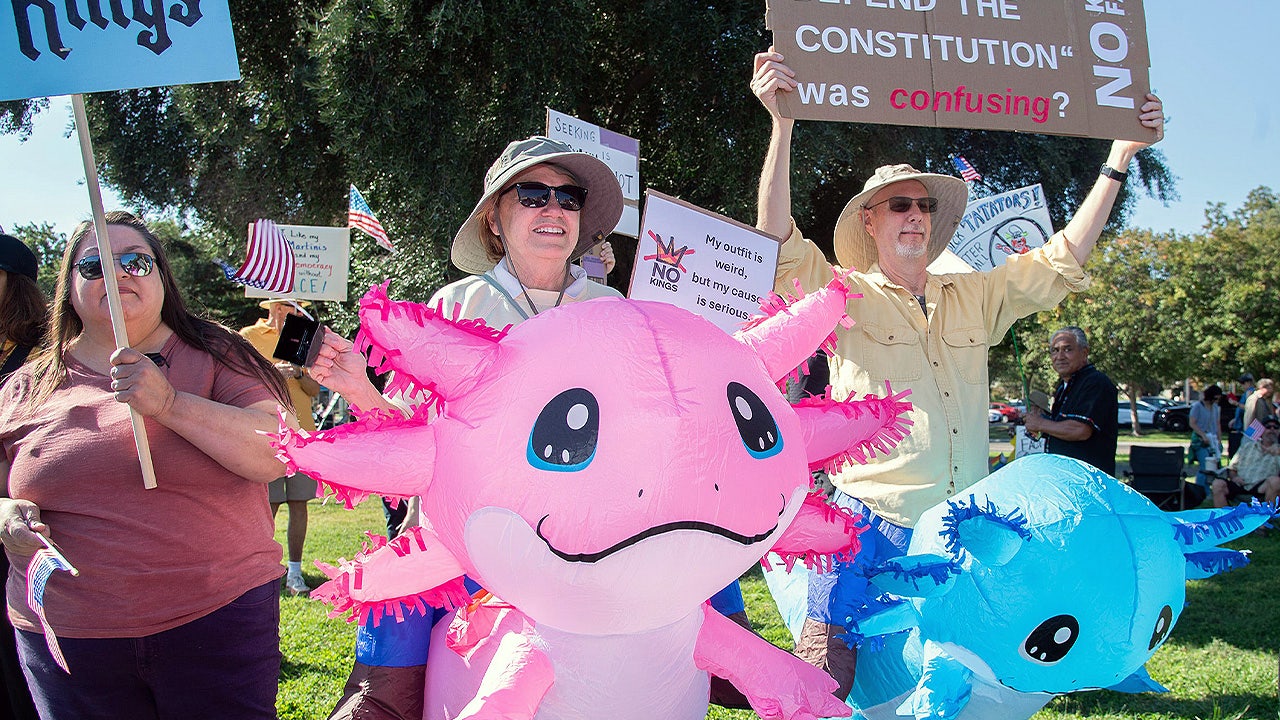
Last weekend in Washington, D.C., the "No Kings" protest saw inflatable chickens floating above a crowd primarily composed of educated White women in their 40s. The protest, which attracted thousands in D.C. and other cities, aimed to denounce what participants viewed as President Donald Trump's authoritarian rule. Researchers found that the typical attendee in D.C. was an educated White woman in her 40s who learned about the protest through friends or social media.
Psychotherapist Jonathan Alpert noted that the "No Kings" protests reflect a blend of emotional release and civic activism, resembling group therapy in the streets. Alpert emphasized that while sharing grievances with like-minded individuals can provide a sense of community, it may not lead to tangible change. He also highlighted the prevalence of "therapy speak" in various aspects of society, including political rallies and media.
Alpert observed that the desire for connection is a driving force behind the "No Kings" movement, offering participants a sense of belonging and validation. However, he cautioned that this validation can become addictive and may lead some protesters to equate the movement with historically significant events like the Civil Rights movement, distorting their perspective. Alpert also pointed out that personal unhappiness or unresolved emotions could manifest in protests like these.
During the "No Kings" protests, participants donned inflatable costumes like T. rex and elephants to draw attention without resorting to violence. The use of these costumes, which originated in Portland, Oregon, during protests against U.S. Immigration and Customs Enforcement, aims to maintain a peaceful demonstration. Protesters emphasized the non-violent nature of their actions, with one participant stating that the inflatable costumes symbolize a peaceful approach to activism.
In conclusion, the "No Kings" protests serve as a platform for individuals to express their discontent with perceived authoritarianism and seek a sense of community and validation. While these protests offer a space for emotional release and connection, they also raise questions about the impact of group dynamics and the potential for personal emotions to influence collective actions. The use of inflatable costumes as a non-violent protest tactic underscores the participants' commitment to peaceful activism and drawing attention to their cause without resorting to aggression.