Political Favoritism in Disaster Relief: Concerns Raised by Congressional Republicans
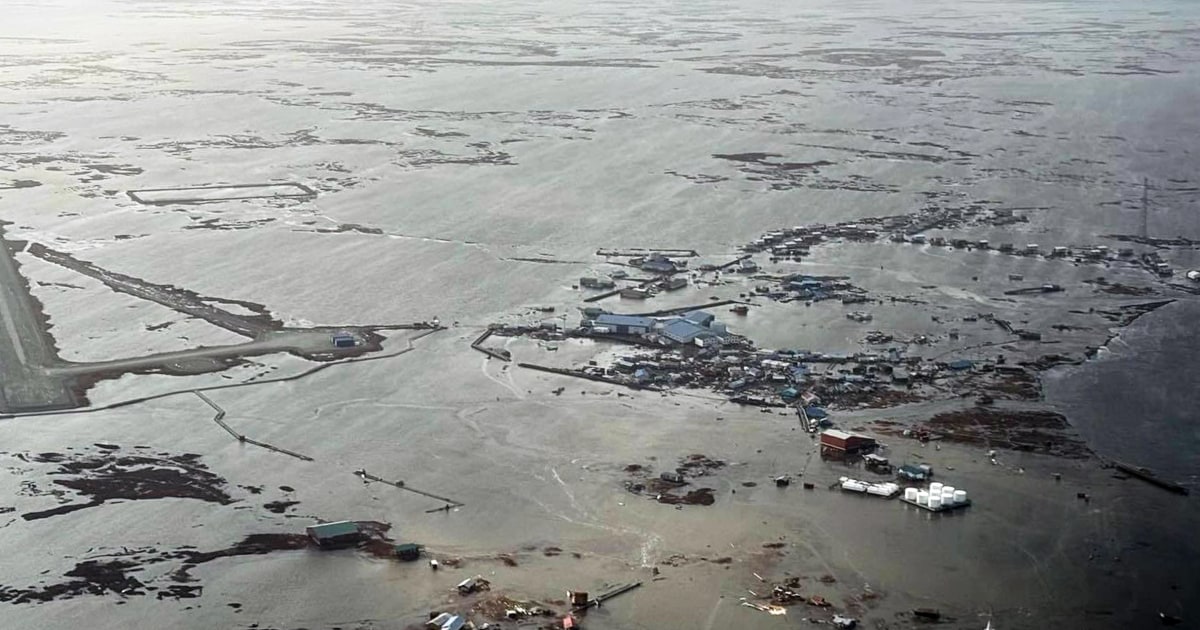
Congressional Republicans are expressing frustration with the slow approval of disaster declarations by the Trump administration. President Trump announced on social media that he had approved disaster aid for Missouri, Nebraska, and Alaska, linking the funding to his electoral victories in those states. The White House denied disaster declaration requests from Maryland and Vermont, states that Trump lost by significant margins in the 2020 election.
The connection between disaster relief funds and political considerations is concerning, especially when it appears that the administration is favoring states that supported Trump in the elections. Maryland Governor Wes Moore criticized the denial of disaster aid as a politicization of relief efforts, stating that communities will suffer as a result. Vermont, another state that Trump lost by a large margin, also had its disaster declaration request denied despite significant flooding damage.
The pattern of denying disaster declarations to states that did not support Trump in the elections raises questions about the administration's impartiality in providing aid. The New York Times' Jamelle Bouie suggested that Trump views Democratic-led states as enemies to be defeated rather than constituents to be helped. This approach undermines the principle of providing assistance based on need rather than political allegiance.
In conclusion, the slow approval of disaster declarations and the apparent politicization of relief efforts by the Trump administration have drawn criticism from both Republican and Democratic lawmakers. The connection between disaster aid and political considerations raises concerns about the fairness and impartiality of the relief process, highlighting the need for a more transparent and equitable approach to providing assistance to states in need.