Offshore Oil Drilling Expansion: Implications and Controversies
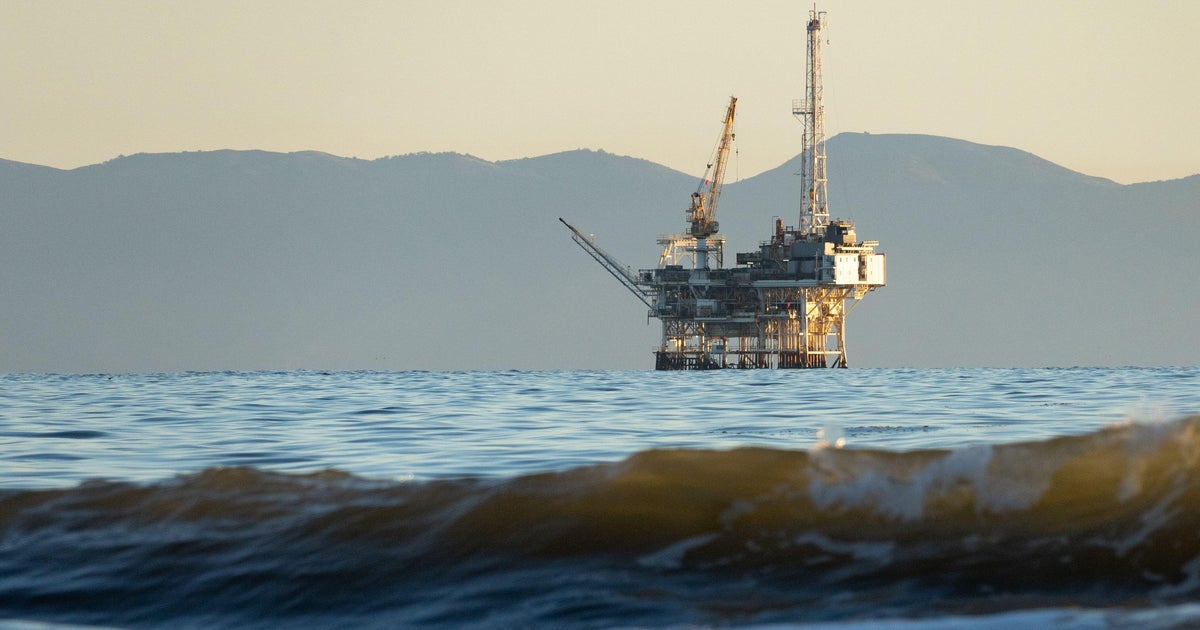
The Trump administration is planning to auction offshore oil drilling leases in new areas of the U.S. coast by 2026, as per internal Department of Interior draft documents. These new leases would cover waters off New England, the Carolinas, and California. Currently, there are no active oil leases on the Atlantic coast, and California has not had a new oil lease since 1984. The Department of Interior also announced plans to reopen 1.56 million acres in the Arctic National Wildlife Refuge for oil and gas leasing, reversing a decision made by the Biden administration.
The National Outer Continental Shelf Oil and Gas Leasing Program, which issues oil leases in five-year increments, is assessing new oil leases. The Biden administration's previous plan had the fewest leases on record, with only three. The documents reviewed by CBS News indicated that state governments opposed offshore drilling. If approved, California could see lease sales as early as 2027, and the Beaufort Sea in Alaska could see lease sales as soon as 2026. Companies would have five to 10 years to explore and develop oil and gas production under the terms of the lease.
Lawmakers from both parties, including state governors, have expressed concerns about offshore drilling. Governors from North Carolina and South Carolina issued a joint statement opposing the idea due to the risks it poses to their states' economies and environments. The Trump administration had previously attempted to open new offshore oil leases but faced criticism from lawmakers in Florida, North Carolina, and South Carolina, leading to bans on offshore drilling in those states. The current plan does not include offshore oil leases off Florida's coast.
The Biden administration issued a record low number of offshore oil leases and withdrew 625 million acres along the Pacific, Atlantic, and Alaska coasts from offshore oil development. The Trump administration rescinded these withdrawals, and a federal court ruled that the Biden withdrawals were illegal. Offshore oil leases have been controversial for decades, with Congress imposing a moratorium on drilling on both coasts and the eastern Gulf from 1981 to 2008. President George H.W. Bush also issued an executive order preventing offshore drilling, which was lifted in 2008. The Obama administration considered opening the Atlantic coast to offshore oil leases but changed course after the Deepwater Horizon oil spill in the Gulf.
In conclusion, the Trump administration's proposal to auction offshore oil drilling leases in new areas of the U.S. coast has sparked concerns among lawmakers and state governors. The plan, if approved, could have significant implications for the environment and economy of the affected states. The debate over offshore drilling continues to be a contentious issue, with both political and environmental considerations at play.