Inside the Controversial Funding of President Trump's $300 Million Ballroom Project: Donors, Deals, and Influence
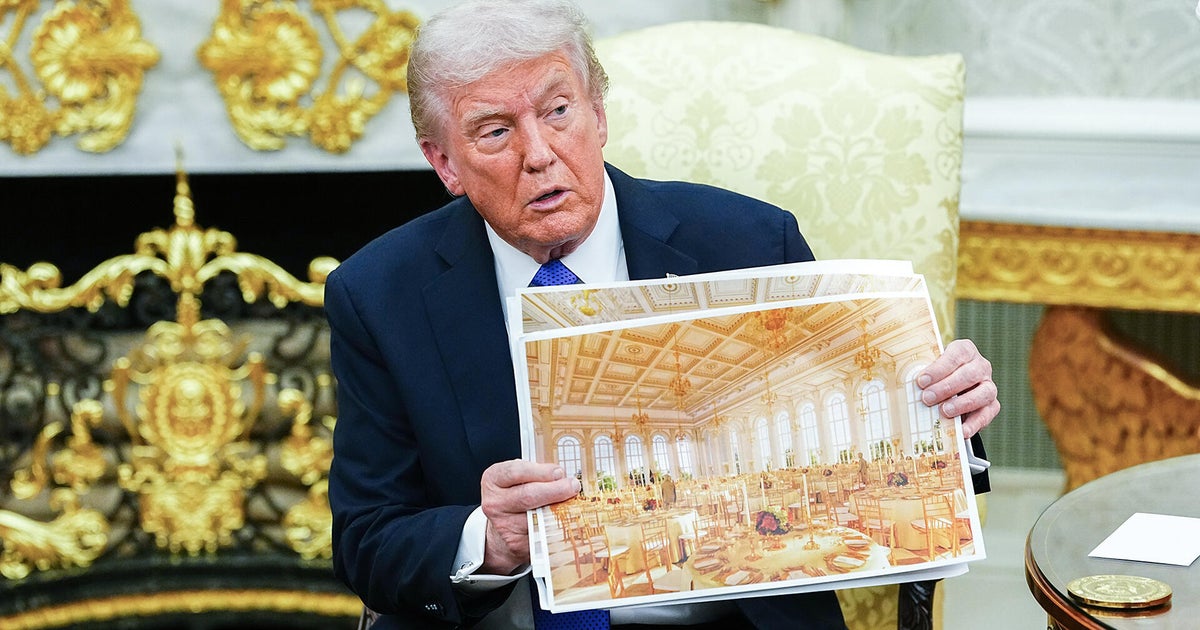
Numerous executives and companies have contributed funds to support the development of President Trump's $300 million ballroom, with many hoping for favorable policies, reduced scrutiny, or approval for significant deals from the White House. The donors, including tech giants, defense contractors, and other large corporations, have not disclosed the exact amounts they donated. President Trump has emphasized that the construction will be financed through private donations and his personal funds, rather than taxpayer money. A list of 37 donors provided by the White House includes tech firms like Google and Amazon, as well as crypto companies such as Ripple and Coinbase. The president recently hosted a dinner to express gratitude to donors, although not all invitees contributed.
White House Press Secretary Karoline Leavitt defended the donations, stating that critics would have complained if taxpayer funds were used for the project. She highlighted the diverse range of American companies and individuals contributing to enhance the People's House for future generations. Some of the donors and dinner attendees could potentially benefit from federal policies or have already received support from the administration.
Tech giants like Google, Palantir, Amazon, and Microsoft, along with T-Mobile, were among the donors acknowledged by the White House. For instance, YouTube, a subsidiary of Google, agreed to contribute $22 million to the ballroom project as part of a legal settlement with President Trump. Palantir has secured over $800 million in government contracts in fiscal year 2025 and has been involved in managing data across federal agencies. Amazon and Microsoft have also received substantial government contracts. T-Mobile's connection to a Trump Organization-affiliated mobile service company has raised concerns about potential conflicts of interest.
Nvidia, a leading microchip developer, was represented among the donors at the thank-you dinner. The company received export licenses from the Trump administration for chip shipments to China and is awaiting approval for AI chip exports to the UAE. Jeff Yass, co-founder of Susquehanna International Group, a trading firm, has supported MAGA Inc. and invested in TikTok. The Winklevoss twins, owners of Gemini crypto exchange, contributed to the event and influenced the withdrawal of a CFTC nominee. Ripple, a crypto company, also made a donation, with its CEO endorsing the administration's crypto policies.
Lockheed Martin, a major defense contractor, donated over $10 million to the ballroom project. Booz Allen Hamilton, a consulting firm heavily reliant on government contracts, experienced a decline in contracts and stock price during the Trump administration. Comcast, interested in acquiring Warner Bros. Discovery, faces potential federal scrutiny for its merger plans. President Trump has criticized Comcast in the past, calling it a "disgrace to the integrity of broadcasting."
In conclusion, the donations from various companies and individuals for President Trump's ballroom project have raised questions about potential conflicts of interest and the influence of donors on federal policies and deals. The diverse range of donors and their connections to the administration highlight the complex relationships between business interests and government actions.