Title: "Deported Cuban Man on Hunger Strike in Eswatini: Legal Challenges and Human Rights Concerns
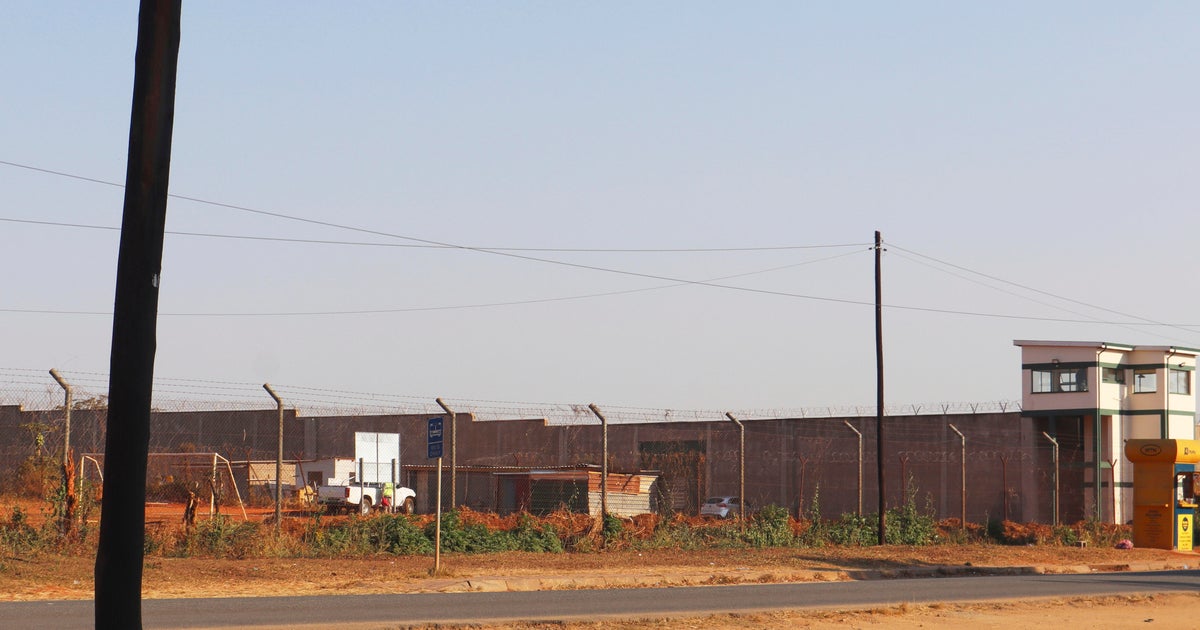
A Cuban man who was deported by the United States to Eswatini is currently on a hunger strike at a maximum-security prison in the African nation. He has been detained for over three months without any charges or access to legal counsel under the Trump administration's third-country program. The man's lawyer expressed serious concerns about his health and urged the Eswatini Correctional Services to provide updates on his condition and ensure he receives proper medical attention.
The Cuban man, Roberto Mosquera del Peral, is one of five individuals deported to Eswatini as part of the U.S. deportation program to Africa. Critics, including rights groups and lawyers, have raised concerns about the lack of due process and potential rights abuses faced by deportees. Mosquera's lawyer emphasized that his hunger strike is an act of desperation and protest, disputing the government's characterization of it as a religious practice.
The Eswatini government stated that Mosquera was fasting and praying due to missing his family, but his lawyer clarified that it was not a religious practice but a desperate act. The other individuals deported to Eswatini, including a Jamaican man who was repatriated last month, have been held in the prison for more than three months without access to legal counsel. Legal challenges have been initiated by both the deportees and civic groups in Eswatini to address the legality of their detention.
The U.S. Department of Homeland Security has identified Mosquera and the other deportees as individuals convicted of serious criminal offenses, including murder and rape, who were in the U.S. illegally. However, discrepancies exist between the charges mentioned by the department and those claimed by the deportees' lawyers. The third-country deportation program, part of President Trump's immigration crackdown, aims to remove illegal aliens from the U.S. by offering them the choice to self-deport or be sent to countries like Eswatini.
The Trump administration has deported individuals to several African nations, including South Sudan, Rwanda, and Ghana, under secretive agreements. Human Rights Watch revealed that the U.S. is paying African countries millions of dollars to accept deportees, with agreements in place with Eswatini and Rwanda. Additional deportees from various countries have been sent to Eswatini, raising concerns about their treatment and access to legal representation.
In conclusion, the situation involving the Cuban man and other deportees in Eswatini highlights the challenges and controversies surrounding the third-country deportation program implemented by the Trump administration. The lack of due process, legal representation, and transparency in the deportation process raises significant human rights concerns that require attention and scrutiny.