Protecting Pregnant Agricultural Workers: Addressing Heat-Related Risks and Ensuring Safety
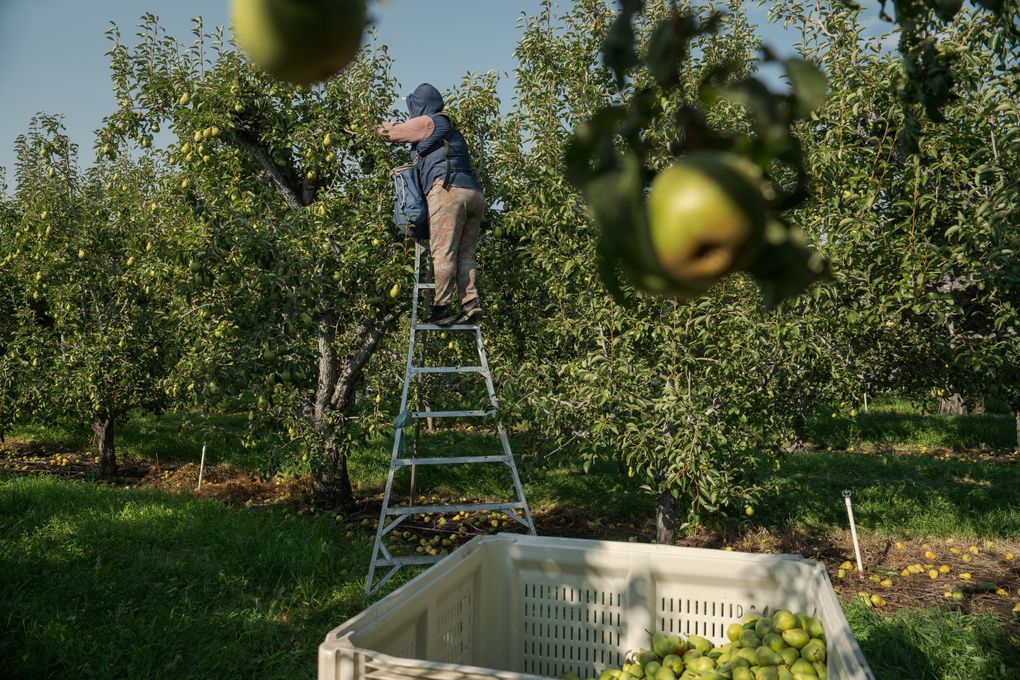
Last summer, Clarisa Lugo, an agricultural worker in Illinois, experienced heat illness while pregnant, highlighting the increased risks faced by pregnant workers in extreme heat conditions. With rising temperatures due to climate change, pregnant agricultural workers, many of whom are low-income Latino immigrants, are at greater risk of heat-related health issues. Despite existing protections, experts emphasize the need for better enforcement and additional safeguards to ensure the safety of pregnant workers in the agricultural sector.
The impact of heat exposure on pregnant individuals can lead to various health complications, including miscarriages, preterm births, and birth defects. The combination of pregnancy, heat, and physical labor can strain the body's cooling system, increasing the risk of dehydration, heat illness, and heat stroke. Tragically, some cases have resulted in maternal deaths, underscoring the urgent need for comprehensive protections for pregnant workers in high-temperature environments.
While some states have implemented heat protection regulations, the lack of federal standards leaves many pregnant workers vulnerable to extreme heat conditions. The fear of immigration enforcement further complicates access to medical care for pregnant agricultural workers, leading to delays in seeking essential prenatal services. The intersection of heat exposure, physical labor, and immigration concerns creates a challenging environment for pregnant farmworkers, highlighting the need for stronger legal protections and enforcement mechanisms.
As temperatures continue to rise, the health and safety of pregnant agricultural workers remain a critical concern. Advocates and health care providers stress the importance of ensuring adequate protections, access to medical care, and support for pregnant individuals working in the agricultural sector. By addressing these challenges and implementing effective safeguards, we can strive to protect the well-being of pregnant workers and their unborn children in the face of escalating heat-related risks.